
Hartwig crabapple
Malus hartwigii
Description
Growing requirements
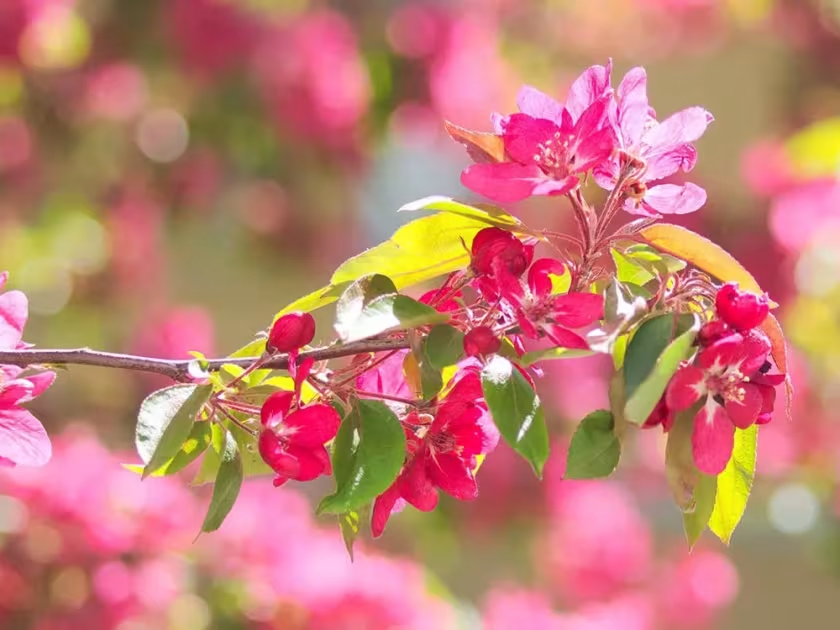
Hartwig crabapple (Malus hartwigii) is a member of the Rosaceae family, primarily known for its ornamental value. It typically grows as a deciduous shrub or a small, elegantly shaped tree.
The culture thrives in well-drained, fertile soil with moderate moisture levels. It does not tolerate waterlogged conditions, which can lead to root system decay and poor plant vigor.
It requires a temperate climate with plenty of sunlight to ensure optimal flowering. While it possesses moderate winter hardiness, extreme climatic fluctuations may require protective measures during the early development stages.
Agricultural practices for this species focus on structural pruning to maintain its decorative form and regular soil aeration. Fertilizer application is recommended in early spring to support the development of healthy foliage and buds.
The primary use of Malus hartwigii is in landscaping and urban design. Its abundant spring flowers and general resilience make it a popular choice for parks, private gardens, and decorative hedges.
Main diseases and pests
Like many species in the genus Malus, the Hartwig crabapple is susceptible to common fungal diseases, including apple scab and powdery mildew, which can significantly affect its appearance.
Pest threats include various leaf-feeding insects, such as aphids and leaf-rollers, which can stunt growth if left uncontrolled. Monitoring for early signs of infestation is crucial for effective management.
Sanitation is a key component of disease control. Removing fallen leaves and dead wood helps eliminate overwintering sites for various fungal spores and dormant pests that could threaten the tree in the following season.
Pruning should be performed with sterilized tools to prevent the transmission of bacteria, such as fire blight, which can be devastating for members of the Rosaceae family.
Implementing a balanced pest management program, including the use of both preventive cultural practices and targeted biological or chemical treatments, is essential for maintaining a healthy and beautiful tree.