
Glaucous crabapple
Malus glaucescens
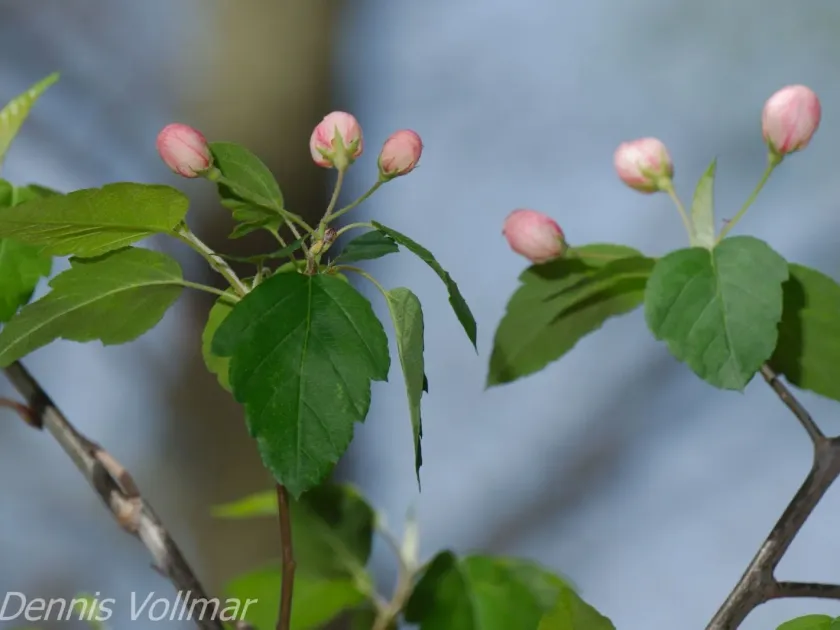
Description
Growing requirements
The glaucous crabapple (Malus glaucescens) is a deciduous tree belonging to the Rosaceae family. Native to North America, this species is primarily found in the eastern United States, often thriving on forest edges and clearings.
The plant is named for the glaucous, waxy bloom found on its young stems and the underside of its leaves. Botanically, it is a sturdy species that adapts well to various soil types, ranging from loams to slightly acidic clay-based soils provided they have adequate drainage.
Climatically, this crabapple is known for its hardiness, allowing it to grow in diverse temperature ranges. It performs best in full sun, which promotes healthy growth, improved flowering, and a more vibrant leaf color throughout the growing season.
Basic agrotechnical practices include maintaining consistent soil moisture, especially during the establishment phase. While mature trees are somewhat drought-tolerant, supplemental watering during intense summer heat will enhance the tree's overall vigor.
In landscaping, Malus glaucescens is valued for its ornamental appeal. It is commonly used as a specimen tree or as part of a mixed hedge, providing structural interest and beauty to private gardens and public parks alike.
Main diseases and pests
Like many species within the Malus genus, the glaucous crabapple is susceptible to common orchard diseases. Powdery mildew is a frequent concern, particularly in environments with high humidity and poor airflow around the canopy.
Apple scab is another potential threat, often manifesting as dark spots on the foliage and fruits. Managing these conditions requires a combination of good cultural practices and, if necessary, targeted applications of organic or synthetic fungicides.
Insect pests such as aphids and various leaf-eating caterpillars may occasionally infest the tree. Monitoring the health of new shoots in the spring is essential to ensure that any pest outbreaks are identified and controlled early.
Sanitation is a critical component of disease prevention. Removing fallen leaves and debris from under the tree during late autumn significantly reduces the overwintering population of fungi and insect larvae.
Proper pruning to maintain an open canopy is vital for increasing air circulation, which naturally discourages the growth of fungal pathogens. With appropriate care, this species remains a resilient and attractive addition to the landscape.