
Glabrous crabapple
Malus glabrata
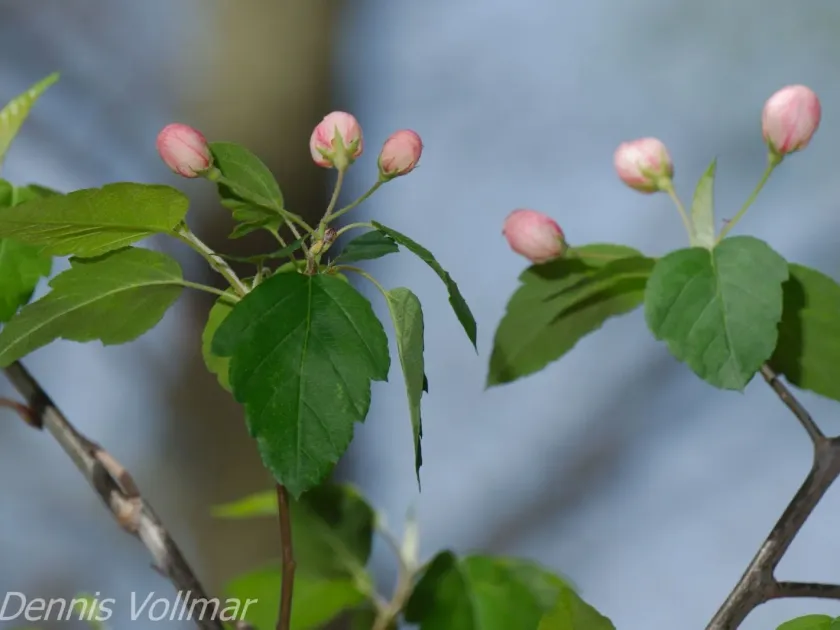
Description
Growing requirements
The Glabrous crabapple (Malus glabrata) is a rare deciduous tree species belonging to the Rosaceae family. Native to the southeastern United States, specifically the mountainous regions of North Carolina and Tennessee, it is a plant of significant botanical interest.
This species thrives in well-drained, fertile soil types typically found on slopes and in forest clearings. It possesses specific requirements for exposure, preferring areas that receive ample sunlight throughout the day to support its metabolic processes.
Climatic conditions for the Glabrous crabapple should mirror its native temperate forest environment, characterized by moderate humidity and distinct seasonal changes. It is adapted to withstand cooler temperatures but requires stability during the growing season.
In terms of soil management, ensuring a neutral or slightly acidic pH is essential for nutrient uptake. Proper aeration is crucial; therefore, cultivation efforts should avoid soil compaction, which hinders root expansion and water absorption.
Agrotechnical practices for this species focus on maintaining moisture balance. Regular irrigation during dry spells is beneficial, particularly for young trees, while mulching helps simulate the forest floor environment and protects root systems from temperature stress.
Yield
The yield of Malus glabrata is primarily of ecological significance rather than commercial fruit production. The tree produces small, pome-type fruits which serve as an essential food source for local bird species and small mammals.
In a controlled environment or botanical setting, consistent fruit set requires optimal cross-pollination. The flowering period is relatively short, and the quality of the yield is highly dependent on favorable weather conditions during spring.
The fruits themselves are generally not harvested for large-scale agricultural use due to their size and characteristic bitterness. Their primary value remains in supporting biodiversity within their natural and managed habitats.
Productivity fluctuates based on tree age and environmental stressors. Older, well-established specimens tend to show more stability in annual fruit production compared to younger, non-acclimated trees in adverse conditions.
Research into the yield potential of this species is limited due to its status. Consequently, managing these trees involves prioritizing sustainable development and ensuring that the tree remains productive within its ecosystem.
Main diseases and pests
The primary threats to the Glabrous crabapple include habitat loss and limited geographic distribution. Its rarity makes it susceptible to demographic collapse if the specific conditions of its mountainous niche are altered significantly.
Like many crabapples, it is susceptible to apple scab and powdery mildew. These fungal pathogens are especially prevalent during seasons with high humidity and limited air circulation, which can stress the tree and reduce leaf health.
Pests such as aphids and various larvae can damage young buds and developing leaves. Regular inspection is necessary to manage these outbreaks, although intervention should be minimal to preserve the health of the surrounding micro-ecosystem.
Bacterial fire blight is a major concern for Malus species. If a tree becomes infected, quick identification and pruning of the affected branches are required to prevent the pathogen from spreading to the main trunk.
Conservation and proactive management of existing populations are essential to mitigate these threats. Preventing the encroachment of invasive plants that compete for light and nutrients is a critical aspect of maintaining the health of the species.