
Taiwan crabapple
Malus formosana
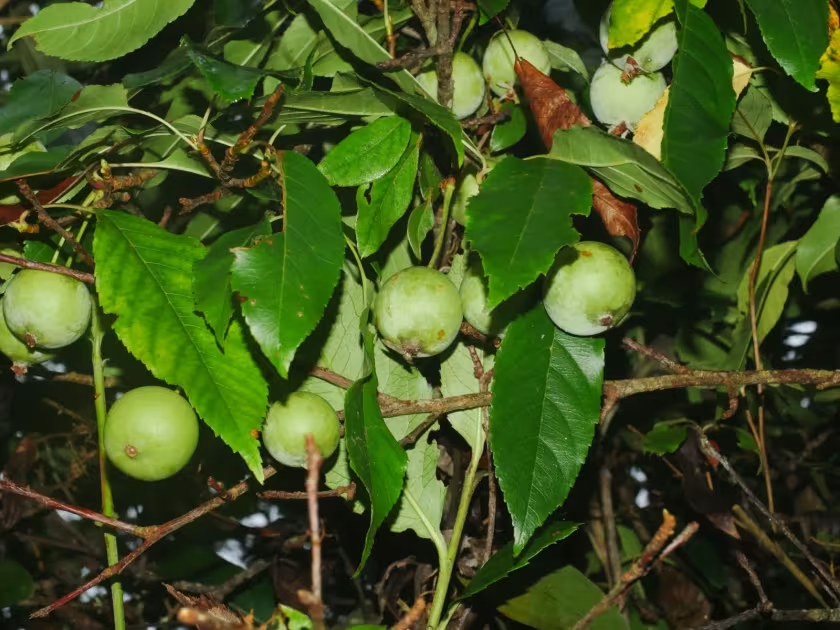
Description
Growing requirements
The Taiwan crabapple (Malus formosana) is a distinct plant species belonging to the Rosaceae family. This species is endemic to the island of Taiwan, primarily inhabiting mountainous regions at mid-to-high elevations.
The plant thrives in a subtropical mountain climate characterized by high humidity and moderate temperatures throughout the growing season. It exhibits strong adaptation to rocky soils with excellent drainage, which is typical of its native mountainous habitat.
Successful cultivation requires sites with adequate solar exposure, although young saplings may benefit from shade during the peak heat of the day. Providing protection from strong mountain winds is essential for the healthy development of the tree canopy.
Soil requirements generally include moderately acidic to neutral substrates rich in organic matter. This species is sensitive to waterlogging around the root zone, making proper site selection and drainage systems critical for introduction into new environments.
From an agrotechnical perspective, the Taiwan crabapple is valued for its potential resistance to specific pathogens common to commercial apple cultivars, making it a subject of interest for rootstock breeding programs.
Main diseases and pests
Like many members of the Malus genus, this species is susceptible to powdery mildew, especially in environments with high humidity and poor air circulation.
There is a notable risk of apple scab, a common fungal disease that affects fruit tree health and reduces both aesthetic and commercial quality of the foliage and fruit.
In its natural habitat, the plant may face pressure from pests such as codling moths and various aphid species that feed on tender young shoots and buds.
Root systems may be vulnerable to soil-borne nematodes if the tree is planted in depleted or contaminated soil without appropriate quarantine or rotation management.
Regular sanitation, including pruning and monitoring the plant for signs of stress, is the primary method for maintaining vigor and preventing the spread of fungal and insect populations.