
Florentine crabapple
Malus florentina
Description
Growing requirements
The Florentine crabapple (Malus florentina) is a unique deciduous tree species belonging to the Rosaceae family. It is native to Southeast Europe, specifically Italy and the Balkan Peninsula, where it thrives in diverse terrain.
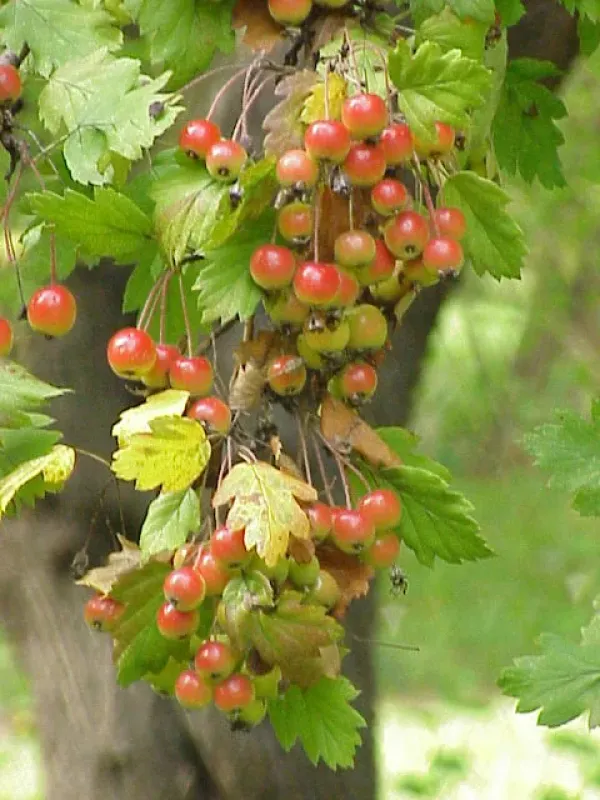
This tree is prized for its ornamental value rather than fruit production. It grows as a small, slow-growing tree or large shrub, reaching an average height of 5 to 6 meters, making it ideal for small garden spaces.
The species is remarkably resilient and adaptable to a wide range of soil types. It prefers well-drained, calcareous soils and requires a position that receives full sun to partial shade for optimal health and foliage coloration.
Regarding climate, the Florentine crabapple is fully hardy in temperate zones. It displays good drought tolerance once the root system is well-established, though it appreciates consistent moisture during the first few growing seasons.
Maintenance involves minimal intervention. Pruning should be carried out during the dormant season to shape the tree and remove dead wood. Its striking autumn color and delicate spring blossoms provide high visual interest throughout the year.
Main diseases and pests
While generally robust, the tree is not entirely immune to pathogens. Potential health issues include fungal diseases such as powdery mildew or scab, especially in areas with stagnant air and high humidity levels.
Insect pests such as aphids or scale insects may occasionally infest the foliage or twigs. Integrated pest management, including regular monitoring and, if necessary, the application of appropriate horticultural oils, is sufficient to maintain tree vigor.