
Denboer apple
Malus denboerii
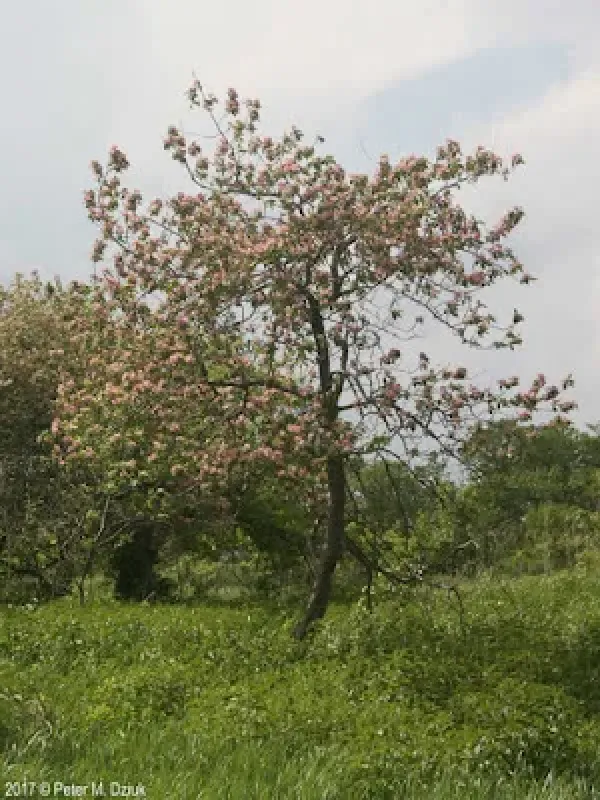
Description
Growing requirements
The Denboer apple (Malus denboerii) is a distinctive member of the Rosaceae family, primarily grown for its ornamental value in landscaping. This species is recognized for its unique form and aesthetic appeal, making it a popular choice for gardens and urban parks.
Optimal growth for this tree is achieved in locations receiving full sunlight throughout the day. Sufficient light exposure is essential for maintaining a dense, healthy canopy and promoting the vibrant flowering characteristic of this species during the spring season.
The tree thrives in well-drained, fertile soil types ranging from sandy loams to heavier silty soils. Proper soil structure ensures adequate aeration, which is critical for root health, while preventing the accumulation of excess moisture that leads to root rot.
Climatic requirements involve moderate temperate conditions, although the tree displays reasonable hardiness once established. During the initial planting stages, consistent irrigation is necessary to support root system development and plant stability.
Cultural practices include periodic pruning to remove dead or overlapping branches, which enhances airflow and light penetration. Applying balanced NPK fertilizers in early spring provides the nutrients necessary for vigorous seasonal growth and decorative display.
Main diseases and pests
Apple scab, caused by fungal pathogens, is a common ailment that affects the foliage and fruits of the Denboer apple. It is characterized by dark, velvety spots and is most prevalent in areas with high humidity and frequent rainfall during the spring.
Powdery mildew represents another significant challenge, manifesting as a white, powdery substance on young leaves and succulent shoots. It spreads rapidly in poorly ventilated environments, making sanitation and proper spacing essential for prevention.
Pests such as aphids and spider mites can colonize the tree during dry spells. These insects feed on plant sap, leading to distorted growth and reduced tree vigor, which necessitates timely intervention with appropriate horticultural sprays.
Fire blight is a severe bacterial disease that requires strict management, including the pruning of affected limbs several inches below the visible infection site. Sterilizing pruning tools between each cut is mandatory to prevent disease transmission.
Implementing an integrated pest management (IPM) strategy helps maintain tree health while reducing chemical impact. Regular monitoring and proactive sanitation are the foundations of successful long-term care for this decorative species.