
Dawson apple
Malus dawsoniana
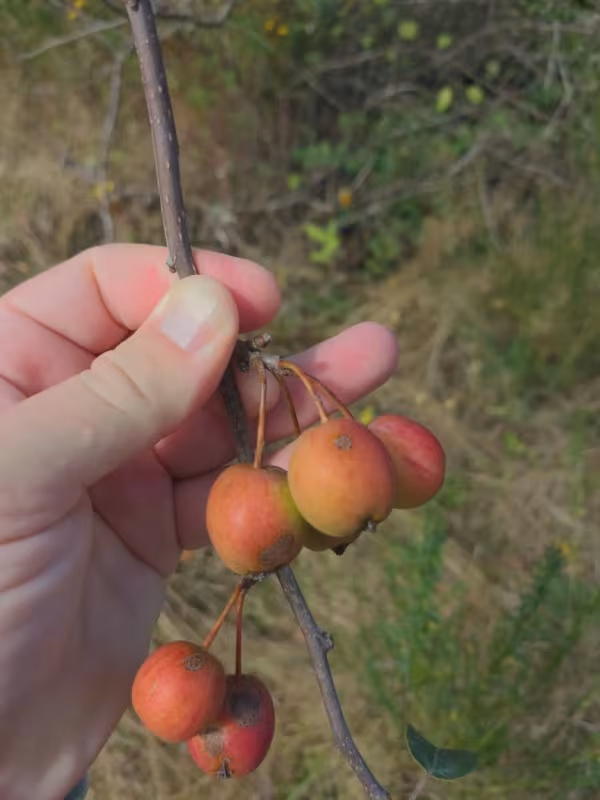
Description
Growing requirements
The Dawson apple (Malus dawsoniana) belongs to the Rosaceae family and is recognized as a distinctive species within the genus Malus. This tree exhibits unique botanical characteristics, making it a valuable subject for both botanical study and specific horticultural applications in diverse environmental settings.
For optimal growth, the species requires well-drained, fertile soil that provides adequate aeration. It thrives in locations with sufficient sunlight exposure, which is crucial for maintaining the plant's health and ensuring the robust development of its branches and foliage throughout the growing season.
Climatic requirements for this species include exposure to temperate conditions, as it is well-adapted to standard seasonal fluctuations. It is important to avoid areas prone to late spring frosts, as these can affect the tree's reproductive potential and general vegetative health.
Agrotechnical practices involve structured pruning to maintain an open canopy, which promotes better air circulation and light penetration. This is essential for reducing the risk of humidity-related disorders and for supporting the overall vigor of the tree structure.
Nutrient management is fundamental to the successful cultivation of Malus dawsoniana. Regular application of balanced fertilizers, combined with adequate irrigation, ensures that the tree can successfully manage environmental stresses and maintain high physiological activity.
Main diseases and pests
As a member of the apple genus, the Dawson apple is susceptible to common pests and diseases that affect pome fruits. Fungal infections, such as apple scab and powdery mildew, remain the primary threats, especially under conditions of high relative humidity and poor ventilation.
Insect pests such as codling moths and aphids can also impact the health of the foliage and fruits. Integrated pest management strategies, focusing on monitoring and the use of eco-friendly control agents, are highly recommended to keep these populations within manageable levels.
Sanitation practices are critical in minimizing the pressure from pathogens. Removing fallen leaves and infected plant material prevents the buildup of inoculum, which helps in breaking the disease cycle and protects the tree from recurring infections during the following season.
Maintaining strong tree health through proper nutrition and hydration acts as a natural defense mechanism. Trees that are well-tended are generally more resilient against environmental stressors and less likely to succumb to minor pest infestations.
Regular monitoring of the orchard or garden is essential for the early detection of any health issues. Swift intervention using approved treatments ensures the longevity of the plant and preserves its ornamental and botanical value within the collection.