
Lychnis wilfordii
Lychnis wilfordii
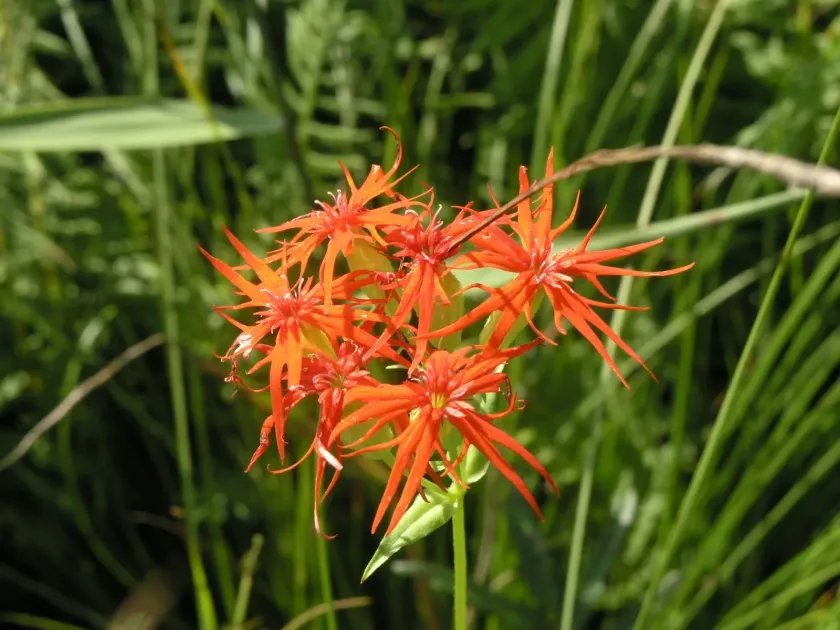
Description
Sowing dates
Sowing seeds of Lychnis wilfordii is best performed in spring when the soil temperature consistently reaches 15–18 degrees Celsius. For earlier flowering, starting seeds indoors in trays during March or April is a highly effective method.
When sowing directly into the open ground, distribute the seeds evenly over the prepared surface. Cover them lightly with a thin layer of sand or fine humus to ensure they are protected without being buried too deep, as light helps trigger germination.
Seedlings typically emerge within two weeks, provided the moisture levels are kept consistent. Once the first two or three true leaves develop, thinning or transplanting should occur to ensure a spacing of at least 15–20 centimeters between plants.
Selecting a sunny location is critical for the initial growth stages, as this species requires significant light to develop strong stems. In regions with harsh climates, starting in a greenhouse or indoors is always recommended to protect young plants.
Autumn sowing is only viable in mild climates; however, extreme winter moisture can destroy the seeds before they have a chance to germinate, making spring planting the standard choice for most gardeners.
Growing requirements
Lychnis wilfordii is a herbaceous perennial belonging to the Caryophyllaceae family. It is valued for its delicate flowers and is native to the East Asian region, specifically thriving in forest clearings and meadows.
The plant demands fertile, well-drained loamy or sandy soils. It is highly intolerant of waterlogged conditions, which lead to root rot; therefore, adding a drainage layer to the planting hole is a standard agricultural practice for this species.
It performs best in full sun to light partial shade. In deep shade, the plant tends to become leggy and loses its ornamental value. An optimal growing temperature range is between 20 and 25 degrees Celsius.
Routine care involves regular weeding and loosening the soil around the base of the plant to improve aeration. Moderate, consistent irrigation is necessary during the active growth phase, specifically before and during the flowering season.
Supplementing the soil with complex mineral fertilizers at the start of the spring season promotes more vibrant and long-lasting blossoms, improving the overall health of the perennial clusters.
Main diseases and pests
Lychnis wilfordii is relatively robust but remains susceptible to fungal infections, particularly powdery mildew, if air circulation is poor or humidity levels are excessively high. Spacing plants properly is the best way to prevent such outbreaks.
Root rot is the most serious threat, usually caused by overwatering or soil that does not drain well. Once root rot takes hold, the plant is often impossible to save, emphasizing the importance of site selection and soil prep.
Aphids can be a major pest, clustering on young buds and shoots to drain sap. Regular monitoring allows for early intervention using insecticidal soaps or biological controls to prevent damage to the flower buds.
Leaf rollers and other chewing insects may occasionally damage foliage. If these are detected, prompt mechanical removal or the application of appropriate systemic insecticides is necessary to ensure the plant continues to thrive.
- Maintain proper air circulation.
- Ensure soil drainage.
- Monitor for aphid colonies.
- Remove infected plant parts immediately.
Harvesting
The primary use of Lychnis wilfordii is ornamental. It is widely used in landscape design for borders, rock gardens, and mix-borders, where its colorful flowers create visual interest throughout the summer months.
Seed collection should be carried out once the seed capsules turn brown and dry on the stem. This ensures that the seeds are fully mature and viable for propagation in the following season.
Deadheading faded flowers is a standard practice to encourage the plant to produce new blooms and prevent unwanted self-seeding. This practice also keeps the plant looking tidy throughout the flowering window.
Cutting the plant back to the ground after the first frost is necessary for winter preparation. This practice allows the plant to go into dormancy and protects the root crown from extreme temperature fluctuations.
While not a major cut-flower crop, it can occasionally be used in fresh floral arrangements, provided the stems are harvested when the flowers are just beginning to open to ensure maximum vase life.