
Miquel's Lychnis
Lychnis miqueliana
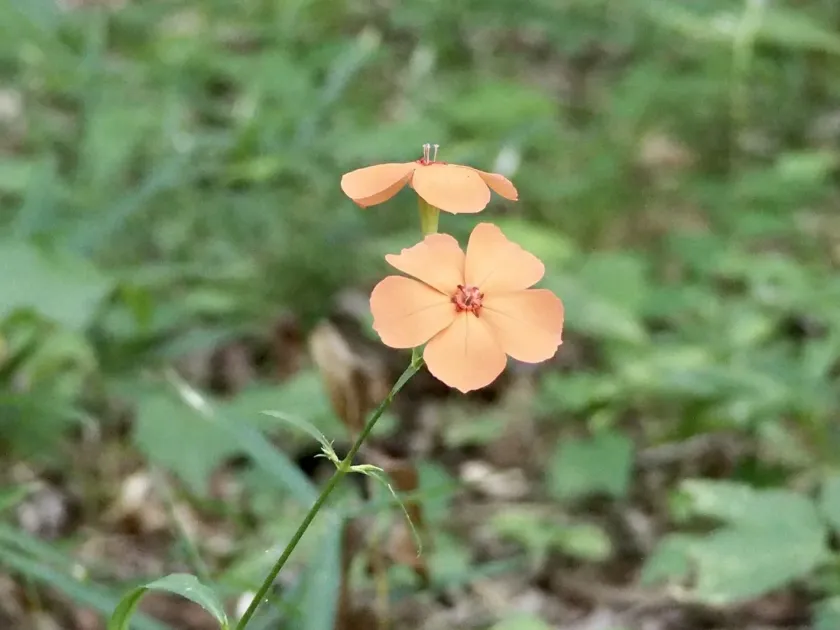
Description
Sowing dates
Miquel's Lychnis is a graceful perennial belonging to the Caryophyllaceae family, often grown for its unique aesthetic in garden beds. Seeds are typically sown in the spring after the soil has warmed up, ensuring optimal conditions for germination and early development.
For indoor propagation, sowing should occur in late winter or early spring using a well-draining potting mix. Because the seeds are minute, they require surface sowing with only a light dusting of soil to receive sufficient light for successful germination.
Temperature control is vital; maintaining a range of 18–20 degrees Celsius supports consistent sprouting. Seedlings should be kept in a well-lit area to prevent them from becoming leggy, which can compromise the structural integrity of the plant as it matures.
Transplanting seedlings to individual pots occurs once the first true leaves emerge. This step allows for better root development and prepares the young plants for the eventual transition to the outdoor environment once the danger of frost has passed.
Hardening off the plants outdoors for at least two weeks is essential before final planting. This process reduces transplant shock and helps the Miquel's Lychnis adapt to changing light levels and environmental stresses in the garden.
Growing requirements
This species thrives in sunny locations, requiring direct sunlight for several hours each day to promote strong stem growth and vibrant flower production. A site with good air circulation is crucial to keep the foliage dry and reduce the risk of fungal infections.
Soil requirements include excellent drainage and a neutral to slightly acidic pH level. Heavy, water-logged clays should be amended with organic matter or sand to improve porosity, as the roots are sensitive to water saturation and oxygen deficiency.
Regular watering is necessary during the active growth period, particularly in dry spells, but it should be done carefully to avoid soaking the leaves. Drip irrigation or watering at the base of the plant is preferred to keep the foliage dry and disease-free.
Fertilization with a balanced NPK fertilizer during the spring and mid-summer helps maintain health and promotes a longer blooming season. Avoid excessive nitrogen, which can lead to lush leaf growth at the expense of floral development.
Maintenance involves removing spent flower heads to encourage secondary blooms and cleaning up debris around the base of the plant in late autumn. This winter preparation protects the plant against freezing temperatures and potential pest overwintering sites.
Main diseases and pests
The primary threats to this plant are fungal diseases, often resulting from poor ventilation or excessive moisture. Symptoms such as leaf spots or powdery mildew require prompt action through improved pruning and, if necessary, the application of fungicides.
Common pests like aphids and spider mites can infest the plant, drawing nutrients from the stems and leaves. Regular monitoring of the undersides of the foliage allows for early intervention, often using insecticidal soaps or biological controls.
Root rot caused by over-watering is a significant concern for this species. To mitigate this risk, gardeners must ensure the site has proper drainage and avoid planting in low-lying areas where water may collect during periods of heavy rain.
Environmental stress, such as extreme heat or prolonged drought, can make the plant more susceptible to secondary infestations of pests. Proper mulching can help regulate soil temperature and moisture levels, bolstering the plant's natural resistance.
- Powdery mildew
- Aphids
- Spider mites
- Leaf spot disease
- Root rot