
Ragged-robin
Lychnis flos-cuculi
Description
Sowing dates
Sowing seeds of Ragged-robin is most effective in late autumn, allowing the cold winter temperatures to trigger natural stratification for better germination.
For spring sowing, it is essential to stratify the seeds in a refrigerator for at least one month before planting them into the soil.
The seeds should be sown thinly on the surface or covered with a very light layer of soil, as they require sufficient light to germinate successfully.
If starting indoors, sow seeds in trays during early spring and maintain a cool environment until the seedlings are ready to be hardened off.
Transplanting into the garden should be done carefully to avoid disturbing the root system, ensuring they have enough space to spread their foliage.
Growing requirements
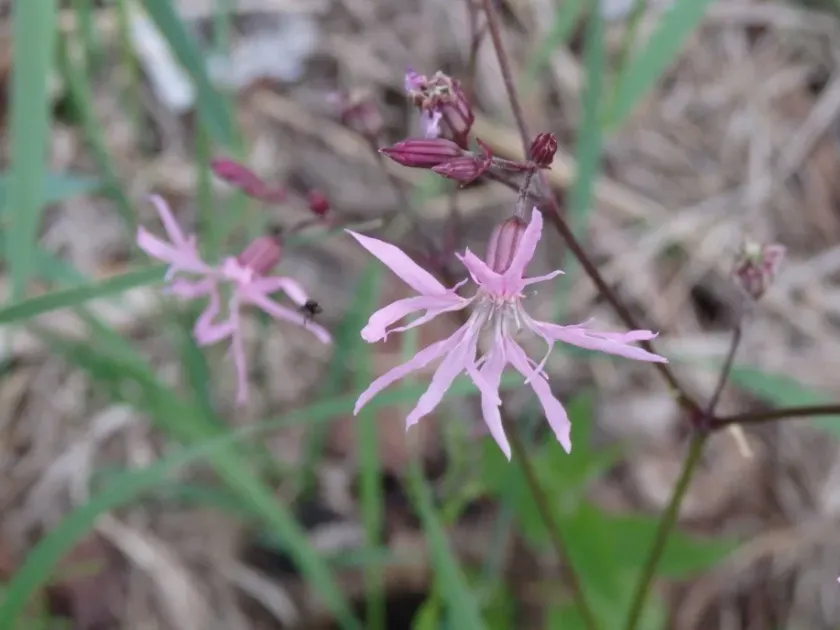
Ragged-robin is a member of the Caryophyllaceae family, well-known for its distinctive fringed, bright pink petals and slender stems.
The plant thrives in damp meadows, marshes, and along water edges where the soil remains consistently moist throughout the growing season.
It prefers full sun exposure to maintain its vigorous growth, though it can tolerate partial shade if the soil moisture levels are kept high.
As a hardy perennial, it adapts well to various temperate climates and does not require special winter protection to survive the frost.
Soil quality should be relatively fertile and neutral to slightly acidic, providing the necessary nutrients for prolonged and vibrant flowering.
Main diseases and pests
Common issues include fungal diseases like powdery mildew, which often occur in areas with poor air circulation or excessively high humidity.
Aphids can be a recurring nuisance, clustering on the flower buds and sapping the plant's energy during the active spring growth phase.
Slugs and snails are major threats to young plants, as they often target the emerging leaves and can severely stunt the plant's development.
Root rot is a significant danger in heavy, waterlogged clay soils, necessitating the improvement of soil drainage to keep the roots healthy.
Maintaining good plant spacing and removing debris around the base of the plant can significantly reduce the risk of infestation and disease.