
Lychnis hybrids
Lychnis hybrids
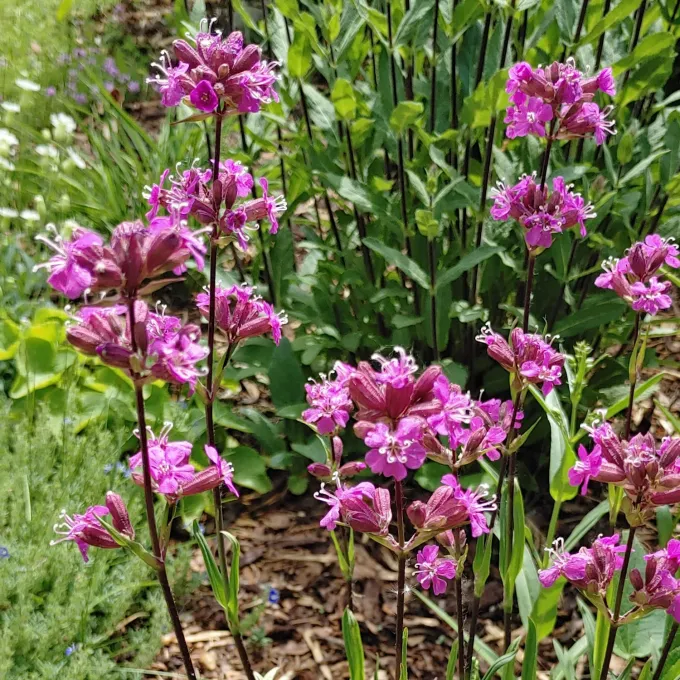
Description
Sowing dates
Sowing Lychnis hybrids seeds is best performed in early spring, either in containers for seedling production or directly into the garden soil once the frost risk has passed. The seeds are small and should be sown on the surface of well-drained soil, pressed lightly to ensure contact.
For container-grown seedlings, maintain a temperature of approximately 20 degrees Celsius to facilitate uniform germination. Proper light exposure is essential during the early stages of growth to prevent etiolation and ensure strong stems.
Transplanting should occur when the seedlings have developed at least two sets of true leaves, taking care to protect the delicate root system. Spacing plants adequately at about 35-40 centimeters apart is vital for long-term health and disease prevention.
Direct seeding in open ground requires keeping the soil consistently moist until germination occurs. Once established, seedlings are quite hardy, though they benefit from a balanced nutrient supply in the early growth phases.
Using a high-quality seed starting mix ensures better nutrient availability and optimal drainage. Properly prepared soil leads to faster establishment of the root system, which is crucial for the perennial success of the Lychnis variety.
Growing requirements
Lychnis hybrids, members of the Caryophyllaceae family, thrive in full sun conditions, although they can tolerate partial shade. A location with good air circulation is ideal to prevent moisture-related issues and fungal growth.
The soil should be fertile, light, and have excellent drainage properties. While these plants are relatively adaptable, they perform best in neutral or slightly alkaline soils, avoiding heavy clays that remain waterlogged for long periods.
Watering requirements are moderate; the soil should be kept moist but not saturated. Drought tolerance improves once the plant has fully established its deep root system, making it suitable for mixed borders and well-drained rock gardens.
Applying a light application of granular fertilizer in the spring promotes vigorous growth and enhances flower production. Over-fertilizing, particularly with nitrogen, may result in excessive leaf growth at the expense of bloom density.
Regular deadheading is a standard maintenance practice for Lychnis hybrids. Removing spent flowers encourages the plant to direct energy toward blooming again and helps maintain a neat, aesthetic appearance throughout the growing season.
Main diseases and pests
The most common disease affecting Lychnis hybrids is root rot, which typically stems from poor soil drainage or excessive irrigation. Preventing soil saturation is the primary strategy for minimizing the risk of this devastating condition.
Powdery mildew is a frequent problem in humid conditions with poor airflow. Treatment involves applying appropriate fungicides and thinning out dense foliage to allow better air movement throughout the plant canopy.
Pests such as aphids and spider mites can infest young leaves and flower buds, weakening the plant. Regular monitoring of the foliage is essential to detect early infestations before they spread across the entire planting area.
When chemical control is necessary, select targeted insecticides that minimize harm to beneficial pollinators. Always follow the application instructions carefully to avoid causing phytotoxic stress to the plant's leaves and stems.
Maintaining a clean garden bed by removing weeds and plant debris reduces the overwintering sites for many common pests. Proactive management and good cultural practices remain the best way to keep Lychnis hybrids thriving year after year.