
Lychnis gracillima
Lychnis gracillima
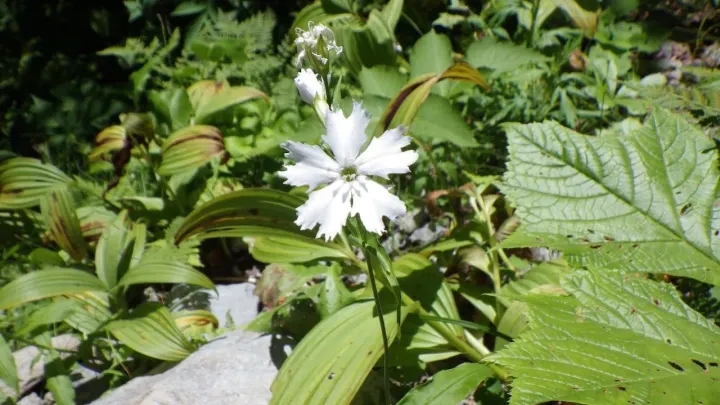
Description
Sowing dates
Lychnis gracillima is a member of the Caryophyllaceae family that requires precise timing for successful establishment. In temperate climates, direct sowing should be conducted in mid-spring once the risk of frost has completely passed.
For indoor propagation, seeds should be sown in late winter using a light, well-draining substrate. As the seeds are light-dependent for germination, they should be covered with only a fine layer of substrate or vermiculite.
Maintaining a temperature of approximately 18-20 degrees Celsius is essential for steady seedling development. Adequate light exposure after germination prevents etiolation and promotes a sturdy habit in young plants.
Transplanting into the permanent garden site occurs in late spring after a hardening-off period. Hardening off is crucial for acclimating the young plants to fluctuating external temperatures and direct UV exposure.
When sowing in the field, rows should be spaced at least 30 centimeters apart. Shallow depth is the primary requirement for healthy germination, as deeper placement can result in the failure of the small seeds to emerge.
Growing requirements
The species flourishes in full sun, requiring at least six to eight hours of direct light daily to maintain its structural integrity. Inadequate light levels typically lead to weak stems and diminished flowering potential.
Well-drained soil is non-negotiable for the cultivation of this species, as it is highly susceptible to root rot in saturated conditions. A neutral to slightly alkaline pH is considered ideal for nutrient uptake.
Irrigation should be managed to keep the soil consistently moist but never waterlogged. Deep, infrequent watering is generally more effective for the plant's health than shallow, daily surface moisture.
Fertilization schedules should focus on balanced NPK blends, applied twice during the growth cycle. Nitrogen should be limited during the bloom phase to encourage more robust flower production rather than excessive vegetative growth.
Soil aeration is facilitated through regular shallow cultivation of the top layer. This practice not only manages weed competition but also improves oxygen diffusion to the rhizosphere, which is vital for vigorous growth.
Main diseases and pests
Aphids represent a primary pest threat, particularly during the onset of active growth in the spring. If left unmanaged, their feeding activity can stunt growth and transmit viral pathogens between plants.
Fungal issues, such as root rot and powdery mildew, are the most frequent threats to crop health. These often occur when plant spacing is too dense, preventing the necessary airflow for foliage drying.
Monitoring for signs of wilting is essential, as this often indicates systemic infection by soil-borne pathogens. Infected plants should be isolated and removed immediately to protect the remainder of the crop.
Preventative fungicide applications may be necessary in high-humidity seasons to protect against mildew. Cultural methods, such as mulching with inert materials, can help manage moisture levels and reduce pathogen transmission.
Effective pest and disease management hinges on scouting the crop regularly. Identifying and addressing issues at the earliest symptom stage significantly reduces the need for heavy chemical intervention.