
Lychnis kiusiana
Lychnis kiusiana
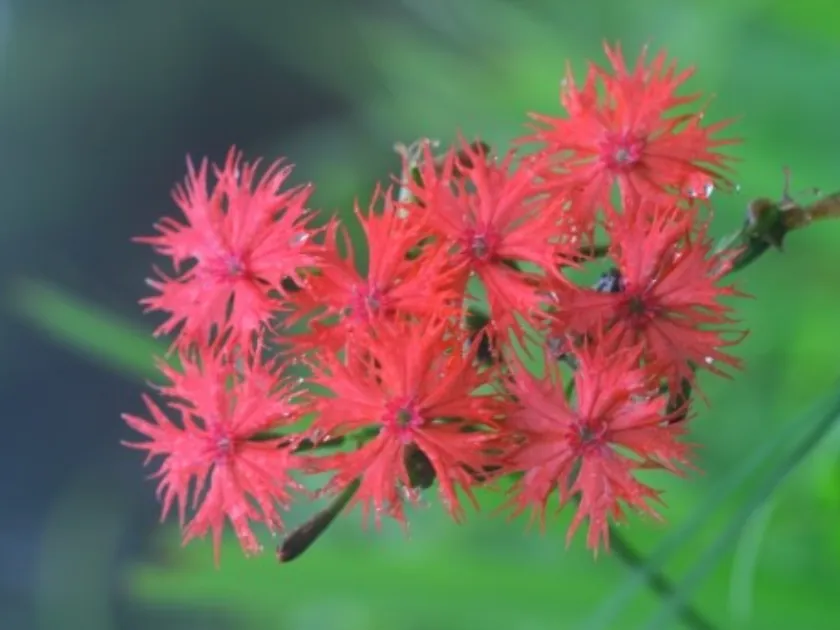
Description
Sowing dates
Lychnis kiusiana is a herbaceous perennial belonging to the Caryophyllaceae family. For optimal propagation, seeds should be sown in trays during late February or March. This allows the plants to develop sufficient root mass and foliage before they are transplanted into the landscape for the summer season.
Direct outdoor sowing is recommended only after the risk of late spring frost has completely passed, typically towards the end of May. The seeds require stratification at temperatures between +2 and +5 degrees Celsius for approximately one month to ensure uniform germination and successful development.
Due to their light-dependent germination, the seeds should not be deeply buried; a light dusting of vermiculite or fine sand is sufficient. Keeping the seedbed consistently moist is vital during the initial two-week period until the first true leaves emerge from the substrate.
Commercial growers prefer the seedling method, as it ensures uniform spacing and higher survival rates. Pricking out should be carried out as soon as the first two true leaves have matured, transferring seedlings into individual pots containing a well-draining, nutrient-rich peat mix.
Hardening off the seedlings for at least two weeks before transplanting is essential to acclimatize the plants to external environmental conditions. This practice reduces transplant shock and establishes a strong foundation for the plant's future growth and flowering potential.
Growing requirements
This species thrives in areas with abundant natural light, although it benefits from light shade during the intense heat of midday. The ideal soil profile for Lychnis kiusiana consists of well-draining, sandy loam with a neutral pH, providing both aeration and moisture retention.
While the plant requires a steady supply of moisture to sustain its blooms, it is extremely sensitive to waterlogged conditions. In heavy soil types, creating a raised bed or adding organic matter and gravel to the substrate is necessary to improve drainage and prevent root rot.
The optimal temperature range for active growth is between +18 and +22 degrees Celsius. Although the plant is cold-hardy, it benefits from a light layer of organic mulch during winter in regions with severe frosts, protecting the crown from extreme temperature fluctuations.
Regular watering is necessary, especially during the budding and flowering phases. It is advisable to water at the base of the plant to keep the foliage and flowers dry, which helps prevent the development of foliar diseases and maintains the aesthetic quality of the blooms.
Fertilization with a balanced, low-nitrogen complex fertilizer before the blooming period encourages sturdy stem development and prolonged flowering. Excessive nitrogen should be avoided as it leads to rank vegetative growth at the expense of flower production.
Main diseases and pests
Fungal diseases, such as leaf spot and rust, are the primary threats to Lychnis kiusiana, particularly in environments with high humidity and poor air circulation. Proper spacing during planting is the most effective preventative measure against these common pathogens.
Root rot often occurs as a result of poor drainage or overwatering. If symptoms appear, immediate drainage improvement and the application of copper-based fungicides are necessary to stop the spread of infection to adjacent plants within the landscape.
Aphids and spider mites are frequent pests that attack the tender new growth during dry spells. Monitoring the undersides of leaves is critical for early detection, allowing for quick control using biological insecticides or appropriate chemical treatments as needed.
In certain climates, leaf-eating caterpillars can cause significant cosmetic damage. Integrated pest management strategies, including manual removal and the use of selective insecticides, can keep these populations in check without harming the local beneficial insect biodiversity.
Maintaining general site hygiene by removing debris and weeds at the end of the growing season is essential for long-term health. Cleanliness reduces the primary sources of overwintering pathogens, thereby minimizing the risk of disease outbreaks in the following year.