
Lychnis arkwrightii
Lychnis arkwrightii
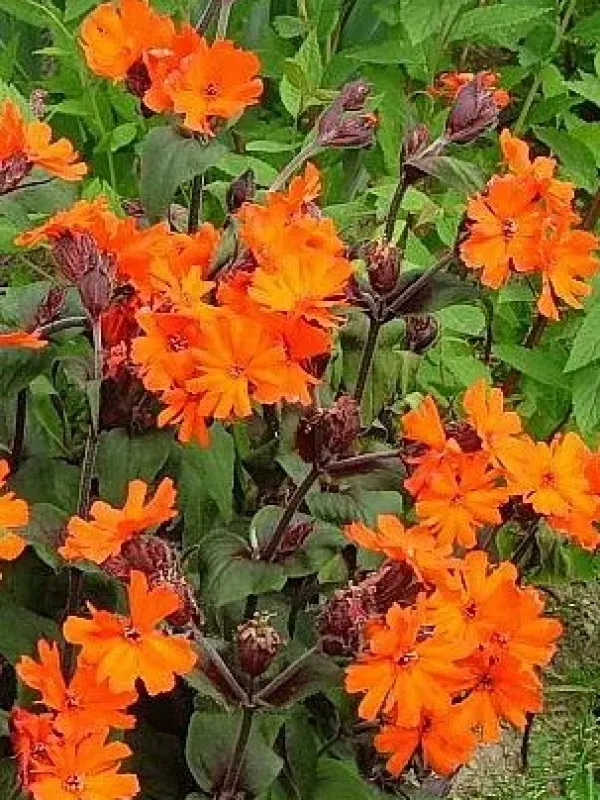
Description
Sowing dates
Seeds of Lychnis arkwrightii should be sown in early spring in well-drained seed trays containing a light, sandy loam mix for optimal germination.
Cold stratification is highly recommended for these seeds; placing them in a refrigerated environment for three weeks significantly improves the uniformity of sprouting.
Once seedlings have developed at least two sets of true leaves, they should be hardened off before being transplanted into their permanent outdoor locations.
In regions with milder climates, direct sowing can be done in autumn, allowing the seeds to undergo natural overwintering before germinating in the spring.
When propagating via division, it is best to lift the mature clumps in early spring or late autumn, ensuring each section has healthy roots and shoots.
Growing requirements
As a member of the Caryophyllaceae family, Lychnis arkwrightii is a hardy perennial valued for its dark, bronzed foliage and vibrant orange-red blossoms.
The plant thrives in full sun exposure, which is critical for maintaining the intense coloration of its leaves and promoting heavy flowering throughout the season.
Soil requirements are relatively straightforward, as the plant prefers neutral to slightly alkaline pH levels with excellent drainage to prevent crown rot.
While established plants are somewhat drought-tolerant, consistent moisture throughout the growing season will yield significantly more vigorous plants.
Maintenance tasks include deadheading spent flowers to encourage a potential second flush of blooms and preventing the plant from self-seeding excessively.
Main diseases and pests
Root rot is the most common physiological issue for this species, usually triggered by waterlogged soil during the dormant winter or early spring period.
Fungal infections such as powdery mildew can affect the foliage during periods of high humidity and poor air circulation around the plants.
Pests, particularly aphids, may infest the tender developing buds, which can be managed by applying insecticidal soaps or neem oil solutions.
Slugs and snails can also cause substantial damage to the basal rosette in early spring, requiring physical barriers or organic bait to protect the young shoots.
Regular monitoring for signs of leaf spots or discoloration is advised, followed by immediate removal of affected plant parts to prevent further disease spread.