
Maltese cross
Lychnis chalcedonica
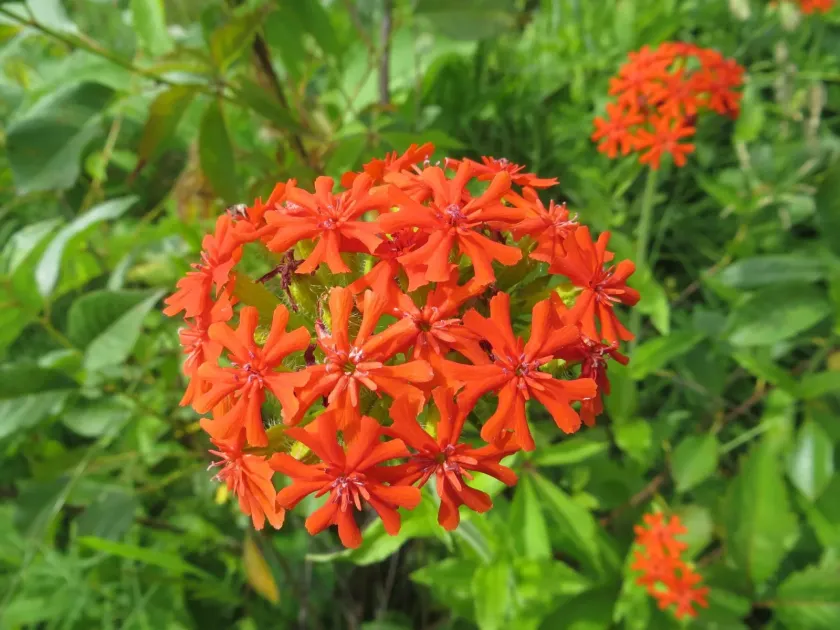
Description
Sowing dates
Seeds of Lychnis chalcedonica are typically sown directly into open ground in October for winter sowing or in early spring as soon as the soil warms up. Stratification of seeds for several weeks significantly improves germination rates.
When using the seedling method, seeds are sown in trays in late March or early April, maintaining a germination temperature of about 18–20 degrees Celsius. Seedlings should be pricked out into individual pots after the first pair of true leaves appears.
Transplanting hardened seedlings to their permanent location is done in late May once the threat of night frosts has passed. Planting patterns should account for the mature size of the plant, usually spacing them 30–40 centimeters apart.
The plant also propagates well vegetatively by division. This procedure is best performed in early spring or late August, when the plant is entering a dormant phase.
The species is known for its vigorous growth, and under proper sowing conditions, flowering typically begins in the second year, producing sturdy, vibrant flower heads.
Growing requirements
The Maltese cross belongs to the Caryophyllaceae family and is a hardy herbaceous perennial. It thrives in open, sunny locations, as shade leads to weak, elongated stems and reduced flowering intensity.
While not demanding regarding soil, it performs best in light, fertile, well-drained loams. It is crucial to prevent waterlogging, so heavy clay soils require the installation of a drainage layer to protect the root system.
The optimal soil pH range is neutral to slightly acidic. The plant exhibits high frost resistance, which is characteristic of species native to the steppe and forest-steppe zones of Eurasia.
Watering should be moderate but consistent during dry spells. Mature plants are reasonably drought-tolerant, yet maintaining soil moisture during the active growing season ensures superior ornamental display.
Fertilization with phosphorus- and potassium-rich mineral fertilizers is recommended at the start of the growing season and before mass flowering to strengthen the stems and improve color quality.
Main diseases and pests
Lychnis chalcedonica generally possesses a strong natural resistance, but poor cultivation practices can lead to fungal infections such as powdery mildew or rust on the foliage.
Disease prevention involves maintaining proper watering schedules, avoiding overcrowding, and timely removal of spent flower heads to improve air circulation within the canopy.
The most common pest is the leaf aphid, which feeds on the sap of young shoots and buds. In cases of severe infestation, systemic insecticides are recommended to control the population.
Spider mites may also pose a threat during hot and dry summer months. Regular misting of the plants helps create an unfavorable environment for these pests on the foliage.
To mitigate insect and fungal risks, it is advised to perform periodic inspections of the plantings and apply biological control agents for sanitary maintenance as needed.