
Jupiter's flower
Lychnis flos-jovis
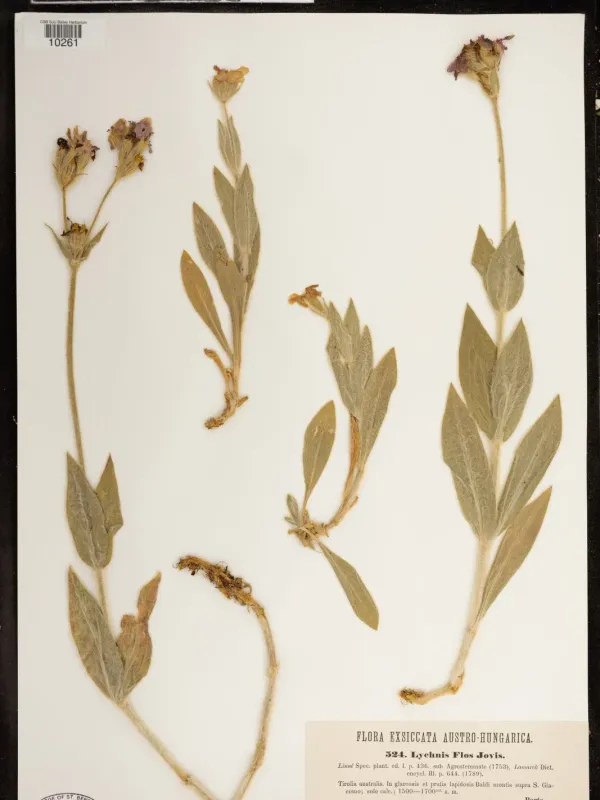
Description
Sowing dates
Jupiter's flower (Lychnis flos-jovis) is a perennial herbaceous plant belonging to the Caryophyllaceae family. Seeds are typically sown in early spring or late autumn when soil temperatures remain stable.
When starting indoors, seeds require a period of stratification to break dormancy. Sowing should be done in a light, well-draining seed-starting mix to ensure successful germination.
The seeds are light-dependent, so they should be surface-sown or covered only with a very thin layer of fine sand to allow light penetration during the critical early stages.
Once seedlings have reached the two-leaf stage, they should be transplanted to individual pots or directly into the garden with appropriate spacing of 25-30 centimeters.
Young plants establish quickly in moderate temperatures, showing robust growth after the second week of transplanting when provided with sufficient moisture.
Growing requirements
This crop thrives in sunny locations with fertile, well-draining soils. It is highly sensitive to waterlogged conditions, which makes proper soil drainage a critical factor for success.
The optimal pH range is between 6.0 and 7.5. The plant is drought-tolerant once established but performs best when provided with consistent moisture during the blooming season.
Regular weeding and soil aeration around the root zone are essential for maintaining plant vigor. Applying a balanced organic mulch can help retain moisture during peak summer heat.
Maintenance of the crop involves trimming spent flower spikes, which promotes a secondary flush of growth and prevents excessive self-seeding in the garden beds.
The plant is hardy in most temperate regions, but it may require light protection in areas with harsh, exposed winters to prevent crown damage from freeze-thaw cycles.
Main diseases and pests
The primary threats include fungal diseases such as rust and leaf spots, which are often exacerbated by poor air circulation or excessive overhead irrigation.
Pests like aphids and froghoppers are common attackers. Early identification and the use of targeted systemic insecticides can prevent these infestations from spreading.
Root rot is a major physiological threat often resulting from poor soil structure and excessive irrigation. Ensuring proper field drainage is the best preventative strategy.
Spider mites can become an issue during hot, dry spells. Regular monitoring of the underside of leaves is necessary to catch and treat outbreaks before they escalate.
Integrated pest management, including the removal of infected debris and the promotion of beneficial predator insects, significantly reduces the need for chemical interventions.