
Purpus Honeysuckle
Lonicera x purpusii Rehder
Description
Growing requirements
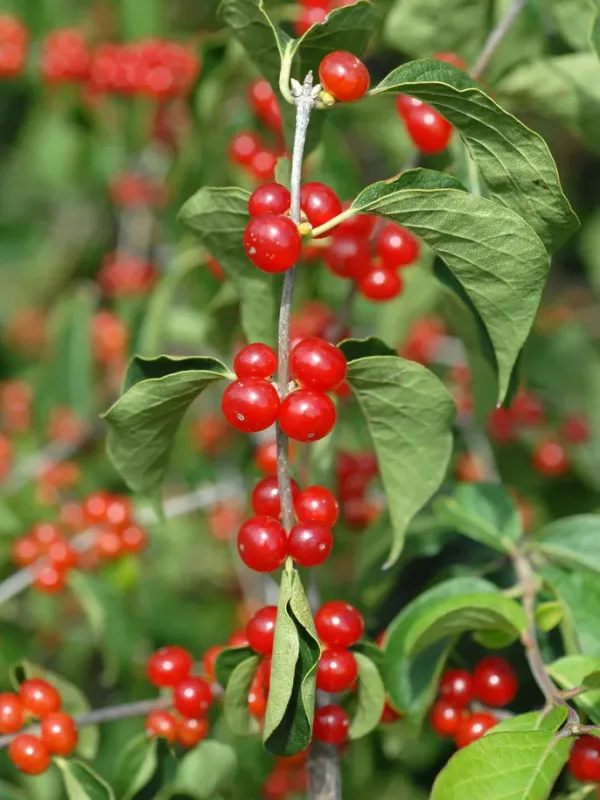
Purpus Honeysuckle is a deciduous shrub belonging to the Caprifoliaceae family, resulting from a cross between Lonicera fragrantissima and Lonicera standishii. This shrub is highly regarded by gardeners for its fragrant, creamy-white flowers that appear in late winter or early spring.
For optimal growth, this plant requires a sunny or partially shaded position sheltered from cold, drying winds. It prefers fertile, moist, yet well-drained soil with a neutral to slightly alkaline pH, ensuring the roots do not sit in waterlogged conditions.
Maintenance involves regular watering during dry spells, particularly for young specimens in their first few years of establishment. Applying a balanced organic fertilizer in early spring supports healthy growth and ensures a prolific flowering display for the upcoming season.
Pruning should be performed immediately after flowering has finished to maintain the shrub's shape and encourage healthy new growth. Removing old or congested branches helps improve air circulation within the canopy and reduces the likelihood of fungal issues.
In landscaping, it serves as an excellent feature plant or a fragrant element in mixed shrub borders. Its winter or early spring flowering habit makes it a valuable addition to gardens aiming for year-round interest and biodiversity.
Main diseases and pests
While generally robust, the plant can occasionally suffer from powdery mildew, especially in damp, poorly ventilated garden spots. Ensuring proper spacing between plants and avoiding overhead watering helps prevent these common fungal infections.
Aphids can sometimes infest the succulent new growth during the spring season. Monitoring the leaves for signs of curling and applying mild insecticidal soaps or neem oil is usually sufficient to control these pests without damaging the environment.