
Notha honeysuckle
Lonicera x notha Zab
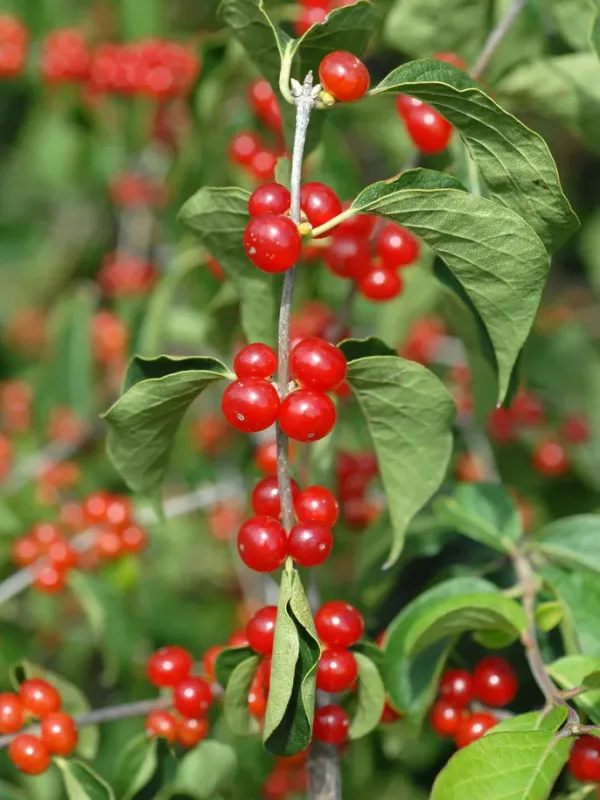
Description
Growing requirements
Notha honeysuckle (Lonicera x notha) is a hybrid deciduous shrub belonging to the Caprifoliaceae family. This ornamental plant is highly valued for its robust growth habit and versatility in landscape design.
The plant thrives in temperate climates and is known for its excellent cold hardiness. It performs best in full sun but maintains good foliage density even when planted in partial shade locations.
Regarding soil, it is quite adaptable to various types, including loams and sandy soils, provided that the site has adequate drainage to prevent waterlogging, which the plant dislikes.
Standard horticultural practices include periodic pruning to maintain shape and encourage dense branching. Removing dead or crossing branches helps ensure better airflow within the canopy.
In terms of usage, this shrub is commonly utilized as a windbreak, a privacy hedge, or an individual ornamental specimen. Its tolerance to urban pollution makes it suitable for city parks and industrial landscaping.
Main diseases and pests
The primary disease affecting Notha honeysuckle is powdery mildew, which typically appears during humid, warm weather conditions if the planting site lacks proper circulation.
Aphids represent the most common pest problem, frequently colonizing tender new growth and potentially transmitting viral diseases through their feeding activities.
Scale insects can also infest the stems, requiring careful monitoring. If an infestation is detected, physical removal or appropriate horticultural oils should be applied immediately.
Maintaining plant health through balanced fertilization and correct watering practices significantly reduces the susceptibility of the shrub to pest attacks and fungal infections.
Integrated pest management strategies, such as promoting beneficial insects and regular sanitation pruning, are essential for keeping the honeysuckle healthy and aesthetically pleasing.