
Pallas honeysuckle
Lonicera caerulea L. var. emphyllocalyx (Maxim.) Nakai
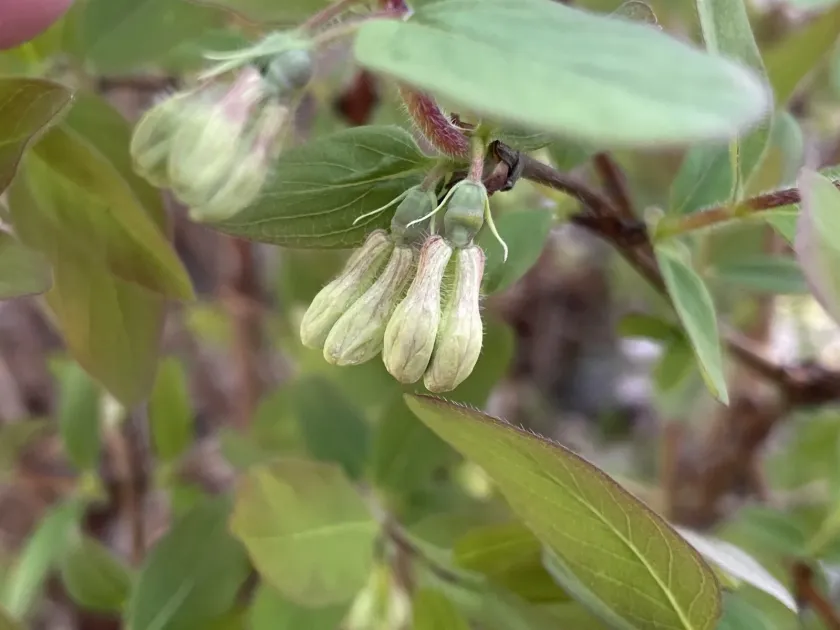
Description
Growing requirements
Pallas honeysuckle (Lonicera caerulea var. emphyllocalyx) is a member of the Caprifoliaceae family. It is a deciduous shrub native to East Asia, known for its extreme cold hardiness and adaptability to varying climates. The plant is a distinct variety of blue honeysuckle that has gained popularity in temperate gardening.
The shrub thrives in well-lit locations with fertile, well-drained loamy soil. It is sensitive to waterlogging, so proper site selection with good drainage is essential for root health. While it can grow in slightly acidic to neutral soils, it performs best when organic matter is regularly added to the root zone.
Botanically, this honeysuckle enters its growth cycle very early in the spring. Growers must be aware that while the plant is hardy, late frosts can affect blossoms. Since the species is cross-pollinated, planting several compatible varieties in close proximity is necessary to ensure successful fruit set.
Agricultural practices involve maintaining weed-free zones around the base of the plant and applying mulch to conserve soil moisture. Pruning is vital to remove older branches and encourage new growth, which ultimately enhances the yield and maintains the health of the shrub over time.
The fruit of the Pallas honeysuckle is valued for its nutritional profile, containing antioxidants and vitamins. Beyond its edible properties, the plant is widely used for ornamental purposes in landscapes, offering early spring flowers and an attractive habit that complements various garden designs.
Main diseases and pests
The most common fungal issue affecting the plant is powdery mildew, which tends to develop in high-humidity environments. Improving air circulation by proper pruning and avoiding overhead watering are the primary preventive measures taken by professional agronomists.
Pests such as aphids and leaf rollers may occasionally target the young foliage. Integrated pest management strategies, including the use of biological control agents or targeted insecticides, are recommended to protect the vigor of the shrubs during the active growing season.
Birds represent a significant threat to the ripening crop. Protecting the bushes with netting is a standard practice during the harvest period to ensure that growers, rather than local wildlife, collect the fruits of their labor.
Harvesting
Harvesting Pallas honeysuckle typically begins in early summer, often making it one of the first fruits available. Because the berries ripen rapidly and may fall from the branches, timing is critical to achieve maximum yield.
The berries should be collected when fully ripe for the best flavor profile. For larger plantings, a shaking method is commonly employed, where a sheet or net is placed under the shrub to catch the berries as they are gently dislodged from the branches.