
Henry's Honeysuckle
Lonicera acuminata Wall.
Description
Growing requirements
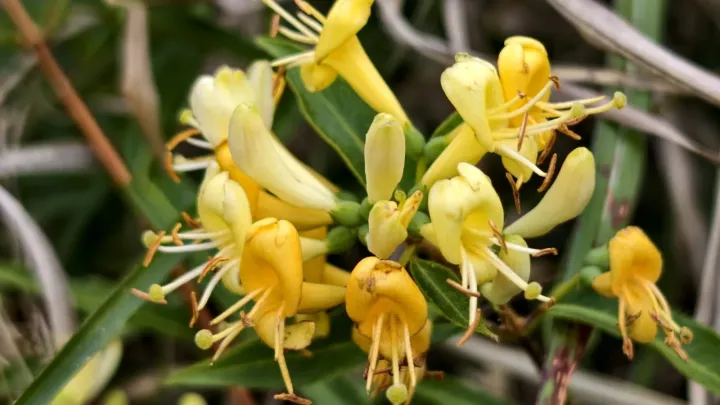
Henry's Honeysuckle (Lonicera acuminata) is an evergreen or semi-evergreen climbing vine belonging to the Caprifoliaceae family. Originally native to the mountainous regions of China, it is highly valued for its dense foliage and vigorous climbing habit.
The plant thrives in fertile, well-draining soils with a neutral to slightly acidic pH. Incorporating organic matter, such as compost or well-rotted manure, at the time of planting promotes healthy root development and overall plant vigor.
Regarding climate requirements, this species prefers sheltered positions with partial shade. While it can tolerate some sun, excessive heat and drying winds should be avoided to prevent leaf scorch and maintain the integrity of the evergreen foliage.
Maintenance involves providing robust support structures for the vines to climb. Periodic pruning is essential to manage the growth habit, improve airflow, and remove any dead or crossing stems that might harbor potential pathogens.
Watering should be consistent throughout the growing season. While established plants demonstrate moderate drought tolerance, regular moisture levels are preferred to support lush foliage growth and prevent early leaf drop during dry spells.
Main diseases and pests
Powdery mildew is a common fungal threat for Lonicera acuminata, especially in humid or stagnant conditions. Maintaining proper spacing and airflow between vines is the primary cultural practice to mitigate this risk.
Aphids are the most frequent insect pest, typically targeting young shoots during the spring growth flush. Infestations should be monitored closely, and horticultural oils or systemic insecticides may be used if natural predators are insufficient.
Leaf miners can occasionally damage the leaves, causing characteristic trails that reduce the ornamental value of the plant. Removal of severely infested foliage is often sufficient for minor infestations in a garden setting.
Cercospora leaf spot may occur under conditions of excessive rainfall or overhead irrigation. Preventing water from lingering on the leaves and ensuring quick drying times are critical for preventing widespread fungal infection.
Integrated pest management, including regular sanitation and healthy plant nutrition, significantly reduces the likelihood of severe outbreaks. Monitoring for symptoms of distress allows for early intervention, ensuring the plant remains a vibrant feature of the landscape.