
Lomariopsis
Lomariopsis
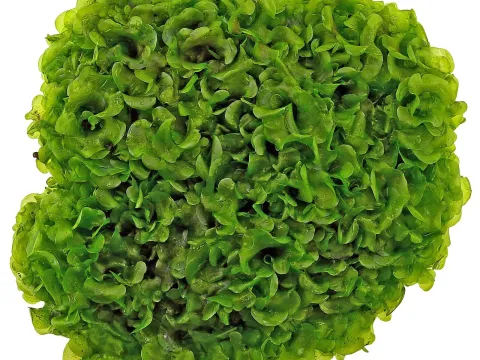
Lomariopsis is a unique genus of liverworts belonging to the Lomariopsidaceae family. Scientifically, the form used in aquariums is the prothallium (gametophyte) of a fern, which has adapted to a fully aquatic life cycle.
What the section contains


Lomariopsis
The plant is characterized by its dark green, translucent thallus composed of rounded, overlapping lobes. It lacks a true vascular system, relying on the absorption of nutrients directly from the water column through its entire surface area.
It thrives in a wide range of water temperatures, typically between 18°C and 28°C. While it is highly adaptable, it prefers stable water parameters and performs best in environments with low to moderate water flow.
Lighting requirements are moderate. Sufficient light ensures dense and vibrant growth, but excessive intensity may encourage the growth of invasive algae on the surface of the delicate lobes, eventually damaging the plant.
No substrate is required for cultivation. The plant can be kept free-floating or attached to hardscape elements like driftwood or volcanic rock, providing a versatile option for aquascaping and professional planting layouts.
The primary threat to Lomariopsis health is the infestation of hair algae. Because of its complex structure, once algae take hold, they are difficult to remove without damaging the liverwort's fragile tissues.
Sedimentation is another significant issue. Accumulation of detritus and organic debris within the thick lobes can lead to localized anaerobic conditions, causing the inner parts of the colony to rot and detach.
Abrupt changes in water chemistry, especially sudden fluctuations in pH or sudden introduction of certain chemicals, can lead to the rapid disintegration of the thallus, often referred to as "melting."
Herbivorous fish and certain types of snails can cause physical damage to the plant. While generally ignored by many species, persistent grazing can significantly hinder the colony's regenerative capacity.
Effective management involves maintaining high water quality and ensuring good water circulation around the colony to prevent the accumulation of waste products and stagnant water pockets.
Harvesting and propagation are straightforward processes that involve dividing the main clump into smaller, manageable portions. Since the plant grows by branching, simply separating the lobes is sufficient to start new colonies.
The divided sections can be secured to desired surfaces using fishing line or plant-safe adhesive. Once attached, the plant will slowly grow and cover the substrate, forming dense, dark-green carpets.
Regular maintenance pruning is recommended to ensure that light and nutrients reach the inner layers of the colony. This prevents the formation of necrotic areas caused by overcrowding and shading.
During harvesting, it is vital to rinse the plant material in aquarium water to remove any trapped debris or unwanted microorganisms before transferring it to a new location or a new aquarium setup.
Excessive Lomariopsis biomass is a valuable resource for aquarium hobbyists, often utilized as a spawning medium for fish or a refuge for microfauna, making it a sustainable and productive crop in aquatic plant nurseries.