
Lomariopsis spectabilis
Lomariopsis spectabilis
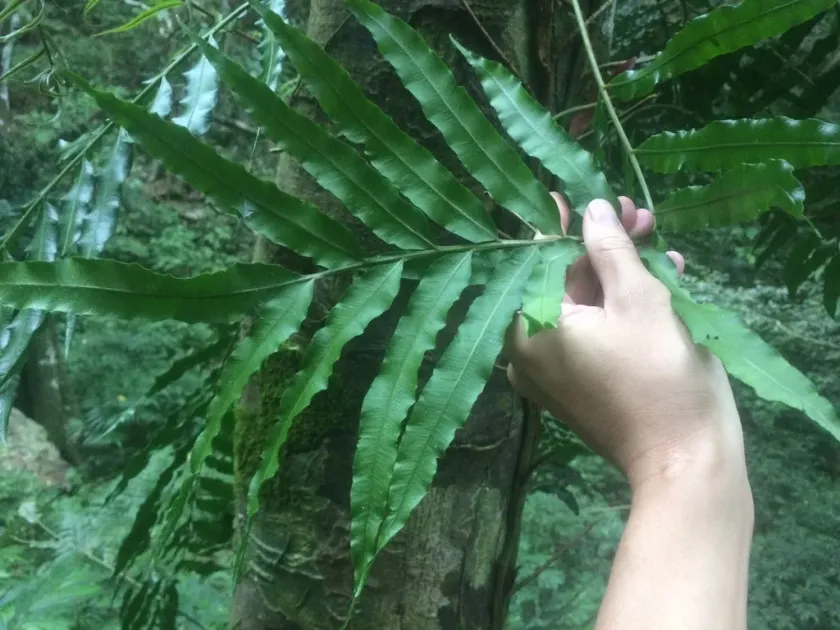
Description
Growing requirements
Lomariopsis spectabilis is a fascinating species belonging to the family Lomariopsidaceae. Botanically, it is classified as a prothallium or gametophyte of a fern, which has evolved to grow indefinitely in a vegetative state, forming dense, dark-green tangled clusters that thrive in moist environments.
The plant originates from tropical regions where it typically inhabits humid forests, cliffs, and water bodies. Due to its unique structure and growth form, it has become a popular subject for specialized horticulture and aquascaping, valued for its ability to create lush, moss-like formations without root systems.
Cultivation requirements for Lomariopsis spectabilis center on water quality and light availability. The species prefers a stable temperature range of 20°C to 27°C. It is highly sensitive to rapid fluctuations in pH levels, preferring slightly acidic to neutral water conditions for optimal metabolic performance.
Light management is crucial for the agricultural success of this crop. While it is adaptable to varying light intensities, providing consistent, moderate lighting helps prevent the colonization of the plant's surface by competitive epiphytic algae, which can significantly inhibit the growth rate.
Nutrient supply should be managed carefully, as the plant absorbs minerals directly through its cell layers. Regular addition of liquid fertilizers rich in micronutrients, combined with the supply of carbon dioxide, ensures that the plants remain dense and exhibit their characteristic deep green coloration.
Main diseases and pests
The primary threat to the vitality of Lomariopsis spectabilis is the invasion of thread-like algae. Once algae attach to the fragile thalli, they compete aggressively for light and nutrients, often leading to the suffocation and eventual disintegration of the fern clusters.
Physiological decline can also occur due to poor water circulation, which creates stagnant zones around the plant. Furthermore, high concentrations of metabolic waste products, such as nitrates or phosphates, can trigger tissue necrosis, making frequent monitoring of water parameters an essential part of the crop's maintenance protocol.