
Lomariopsis sorbifolia
Lomariopsis sorbifolia
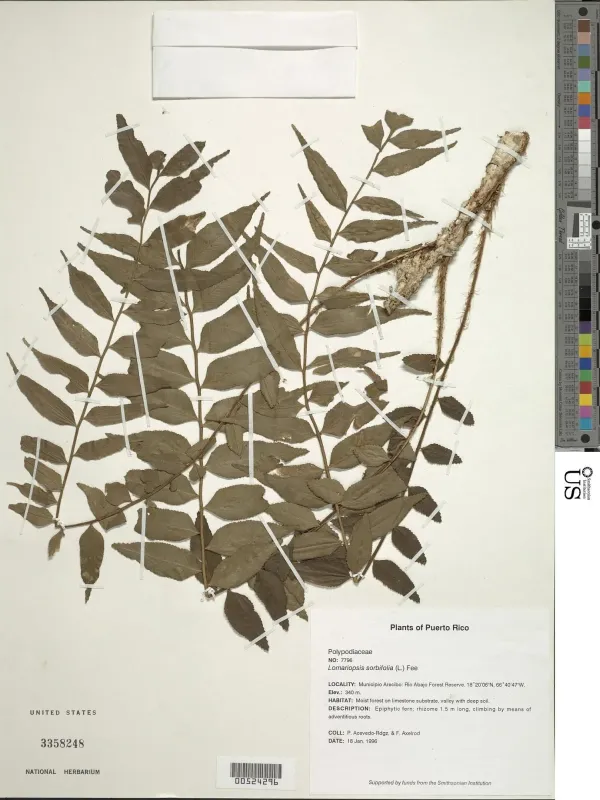
Description
Growing requirements
Lomariopsis sorbifolia is a distinct species of fern belonging to the Lomariopsidaceae family. Originating from the tropical regions of the Americas, this plant is naturally adapted to humid and shaded environments such as rainforest understories.
Botanically, it is characterized by creeping rhizomes and pinnate fronds that resemble the leaves of the mountain ash tree. This growth habit allows it to thrive as an epiphyte or a terrestrial plant depending on the available growing media and environmental conditions.
Cultivation requires a stable temperature range of +20°C to +26°C and high atmospheric humidity to maintain the health of its delicate foliage. The plant is sensitive to drafts and sudden temperature fluctuations, which can cause significant stress to its biological systems.
The ideal soil should be acidic, lightweight, and well-draining, typically consisting of peat, pine bark, and perlite. This mixture mimics the natural forest floor, allowing for adequate root aeration while retaining enough moisture for steady growth throughout the season.
Light requirements are strictly limited to indirect, filtered light. Exposure to direct sun will scorch the fronds and lead to irreversible tissue damage. Consistent moisture management is the cornerstone of its agronomy, requiring frequent but moderate irrigation with soft, non-mineralized water.
Main diseases and pests
Spider mites are the most persistent pest for this species, especially when indoor humidity levels drop below the threshold. Regular monitoring and, if necessary, the application of targeted acaricides are essential for maintaining a healthy collection.
Root rot, driven by stagnant water and insufficient drainage, represents a major physiological threat. Once the root system is compromised, the plant struggles to uptake nutrients, leading to yellowing of the fronds and eventual plant decline.
Fungal pathogens can colonize the foliage during periods of stagnant air or over-misting. Ensuring proper air circulation is vital to prevent leaf-spot diseases and mold growth, which can quickly spread across the frond surfaces.
Scale insects can occasionally infest the stems, particularly under the leaf bases, where they are difficult to detect early. Manual removal or the use of systemic insecticides is recommended upon the first sign of these pests.
Nutritional imbalances resulting from improper water quality can lead to weakened growth patterns and increased susceptibility to opportunistic infections. Using filtered or distilled water prevents the accumulation of salts that can burn the roots and affect plant physiology.