
Lomariopsis lineata
Lomariopsis lineata
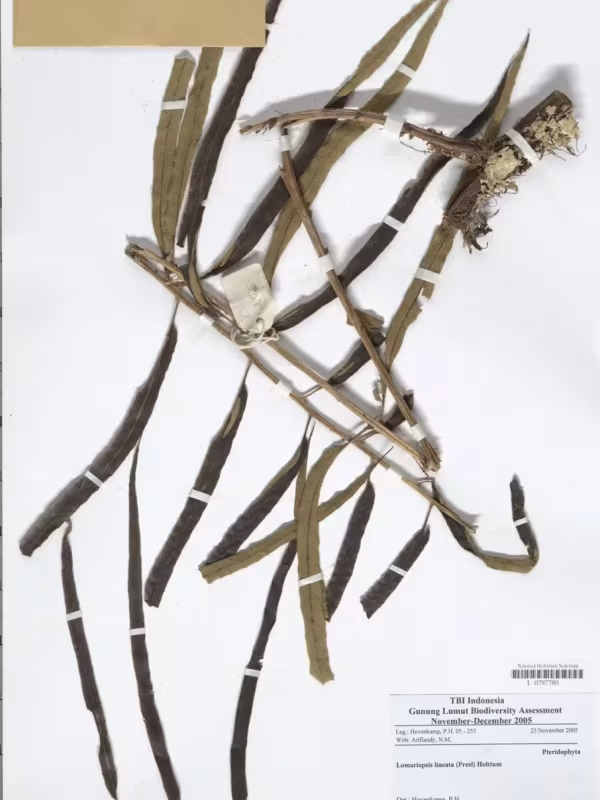
Description
Growing requirements
Lomariopsis lineata is a unique aquatic plant belonging to the Lomariopsidaceae family. Often referred to as a liverwort, this species has gained popularity in professional aquarium horticulture for its lush, dark green appearance and versatility in decorating underwater environments.
Originating from tropical regions of Asia, the plant thrives in warm, stable water conditions. Unlike traditional agricultural crops, Lomariopsis lineata does not possess true roots, deriving all its necessary nutrients directly from the water column through its complex system of thalli.
To ensure healthy growth, the cultivation environment must be maintained at a temperature ranging between 20°C and 28°C. While the plant is quite tolerant to various water hardness levels, maintaining a slightly acidic to neutral pH is considered optimal for consistent biomass production.
Light intensity plays a significant role in the morphology of the plant. Under moderate lighting, Lomariopsis lineata develops dense, compact clusters that are ideal for foreground or mid-ground placement. In low light, the thalli tend to become elongated and sparse, significantly reducing the aesthetic quality.
The agrotechnical management of this culture involves routine maintenance to prevent the accumulation of organic waste on the surface of the thalli. Periodic water changes and proper flow management are essential to ensure that the plant receives adequate nutrients and to prevent the buildup of sediments that inhibit photosynthesis.
Main diseases and pests
The primary threat to the vitality of Lomariopsis lineata is the invasion of filamentous algae. Once these opportunistic organisms penetrate the dense structure of the plant, they outcompete it for nutrients and light, often leading to the rapid decay of the moss colony and making it impossible to restore.