
Lobelia x speciosa
Lobelia x speciosa Sweet
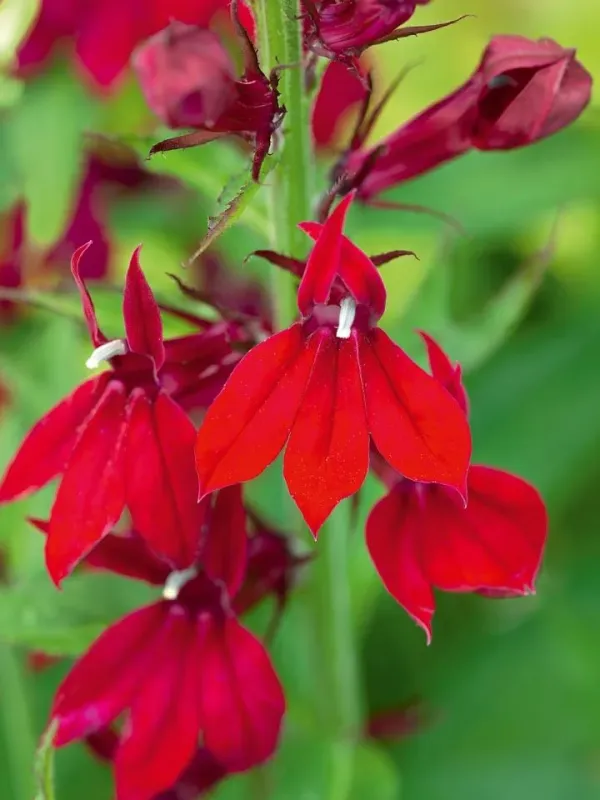
Description
Sowing dates
Lobelia x speciosa is a hybrid ornamental plant belonging to the Campanulaceae family. Seeds are typically sown in late February or early March in a light, fine-textured substrate, ensuring they are not buried deeply as they require light to germinate.
During the sowing phase, it is essential to maintain a constant temperature between +20...+22 °C and keep the soil surface consistently moist. The trays should be covered with glass or film to create a greenhouse effect, and aired daily to prevent mold growth.
Pricking out the seedlings is performed once the first pair of true leaves appears, moving them into individual pots. Transplantation into open ground should only occur after the danger of spring frost has passed, usually in the second half of May, once the soil has warmed up.
To encourage rapid growth, regular feeding with a diluted liquid complex fertilizer is recommended during the seedling stage. Hardening off the young plants before transplanting to their permanent location helps them adapt successfully to the outdoor environment.
The planting distance should be approximately 25–30 cm apart. This spacing ensures optimal airflow, which is critical for preventing plant overcrowding and reducing the likelihood of fungal infections developing in dense foliage.
Growing requirements
This culture thrives in well-lit areas, although in regions with intense summer heat, light afternoon shade is beneficial. It is important to choose a location sheltered from strong winds, as the tall flower spikes can be easily damaged by heavy gusts.
The soil for successful cultivation must be fertile, moisture-retentive, and possess excellent drainage. Waterlogging is detrimental to the lobelia root system; therefore, heavy clay soils should be amended with sand and organic matter to improve structure.
The ideal soil pH for Lobelia x speciosa ranges from slightly acidic to neutral. Before planting, it is highly recommended to enrich the soil with well-rotted compost to provide a consistent supply of nutrients throughout the active flowering season.
Consistent watering is a critical factor, especially during dry spells. The soil must remain moderately moist at all times, as allowing the root ball to dry out will negatively impact the plant's aesthetic appeal and may lead to premature blooming cessation.
During the budding and peak flowering phases, plants respond well to liquid phosphorus-potassium fertilizers. This practice supports the development of more vibrant and larger flowers, while also extending the plant's vegetative period and ornamental value.
Main diseases and pests
The main threats to lobelia are fungal diseases that thrive in conditions of high humidity and poor ventilation. Common issues include powdery mildew, which appears as a white coating on leaves, and various types of stem or root rot.
Pests such as aphids and spider mites can significantly reduce the ornamental value of the culture by feeding on plant sap. Regular inspections allow for early detection, enabling the timely application of appropriate insecticides to control infestations.
Preventive measures against pests and diseases rely heavily on good horticultural practices, including avoiding overwatering and excessive density in planting. Removing infected plant parts promptly helps prevent the spread of infection to neighboring plants.
In cool and rainy summer conditions, the risk of Botrytis (gray mold) increases significantly. In such cases, it is crucial to perform sanitary pruning and, if necessary, apply systemic fungicides to manage the disease effectively.
Slugs and snails can cause damage to lobelia foliage in damp environments. Effective control methods include setting traps or using molluscicide baits around the base of the plants to protect the young leaves from being consumed.