
Great blue lobelia
Lobelia siphilitica L.
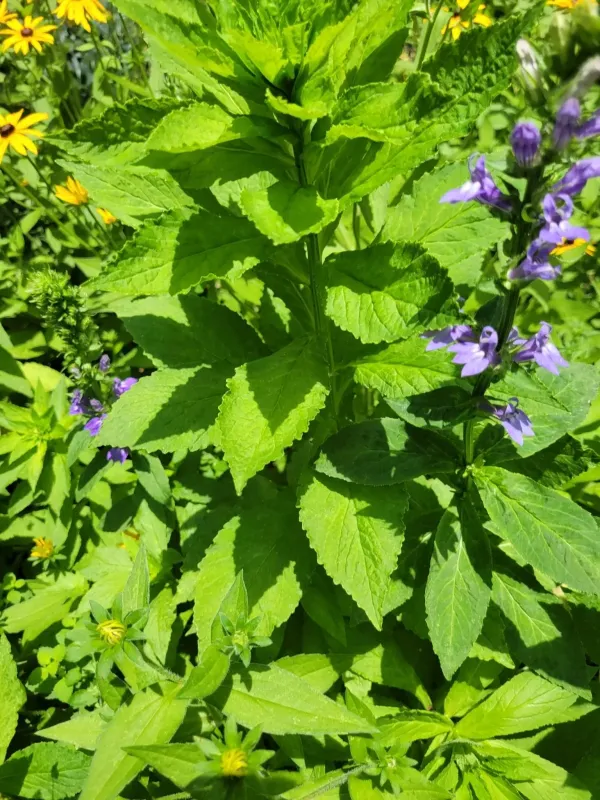
Description
Sowing dates
The seeds of Lobelia siphilitica are extremely fine and require careful handling during the sowing process. They are typically started indoors in late winter to ensure the plants are well-developed before transplanting.
Seeds should be sown on the surface of a moist, sterile seed-starting mix and left uncovered, as they need light to germinate properly. Providing a consistent temperature between 20-22 degrees Celsius is crucial for success.
Once the seedlings have produced two sets of true leaves, they should be pricked out into individual pots. This transition allows for the development of a stronger root system, which is essential for survival in the garden.
Hardening off the seedlings is a necessary step before moving them outdoors. This process involves gradually exposing the plants to outside conditions over a period of one to two weeks to reduce transplant shock.
Transplanting into the garden should occur only after the danger of frost has passed. Planting in groups of 3-5 plants creates a more visually appealing display compared to solitary specimens.
Growing requirements
As a member of the Campanulaceae family, the great blue lobelia is a moisture-loving perennial. Native to North American wetlands, it thrives best in conditions that mimic its natural habitat.
The soil should be rich in organic matter, consistently moist, and slightly acidic. If planting in areas with lighter soil, heavy mulching is required to maintain the necessary soil moisture levels throughout the summer.
Although it can tolerate full sun in cooler climates, this species prefers partial shade, especially in hotter regions. Protecting the plants from the intense afternoon heat helps preserve their deep blue color.
Regular fertilization is beneficial during the blooming season. A balanced, water-soluble fertilizer applied every few weeks will support continued growth and vigorous production of flower spikes.
Maintenance of the plant during the dormant period is straightforward. Simply cut the stems back to the ground in late autumn and apply a layer of leaf mulch to insulate the roots against freezing temperatures.
Main diseases and pests
The most common health issues for this species arise from poor drainage and lack of air circulation. Root rot is a significant concern if the soil remains waterlogged without any opportunity for oxygen exchange.
Fungal leaf spots can occur when foliage remains wet for extended periods. To prevent this, always water the base of the plant rather than overhead, and ensure proper spacing between plants during installation.
Aphids are the primary insect pest, often clustering on the tender buds. These pests can be managed through manual removal or by applying insecticidal soaps that are safe for the surrounding environment.
Slugs and snails may feed on the foliage, particularly on younger plants in the early spring. Creating a barrier using crushed eggshells or using organic slug baits can effectively protect the plants.
Routine inspections are the best defense against pests and diseases. By monitoring the plant regularly, any signs of infestation can be addressed quickly before they become a systemic problem.