
Cardinal flower
Lobelia cardinalis L.
Description
Sowing dates
Cardinal flower seeds are best sown in late winter or early spring using a shallow sowing method. Since the seeds are extremely small, they should be distributed over the surface of a moist, sterile seed-starting mix and pressed down lightly without covering them with soil.
To germinate, the containers must be kept in a warm environment with temperatures around 20-22 degrees Celsius and high humidity. Using a plastic dome or film is necessary to maintain consistent moisture levels during the germination phase.
Seedlings should be pricked out when they develop two or three sets of true leaves. Transitioning the young plants into individual pots allows for better root development and prepares them for the later move to an outdoor environment.
Transplanting into the garden or pond margins should occur once all danger of frost has passed in late spring. It is crucial to harden off the plants gradually to prevent transplant shock when moving them from a greenhouse to open soil.
Propagation via division is often more efficient than sowing for established clumps. Dividing the roots in early spring or autumn ensures faster development and helps to revitalize older, overcrowded plants.
Growing requirements
Lobelia cardinalis, commonly known as the Cardinal flower, is a herbaceous perennial in the Campanulaceae family. It is native to the Americas, where it is found in wetlands, swamps, and along stream banks, thriving in constantly moist conditions.
This species requires high soil moisture and is an excellent candidate for rain gardens or the marginal zones of water features. It can tolerate shallow standing water, making it a versatile choice for aquatic garden landscapes.
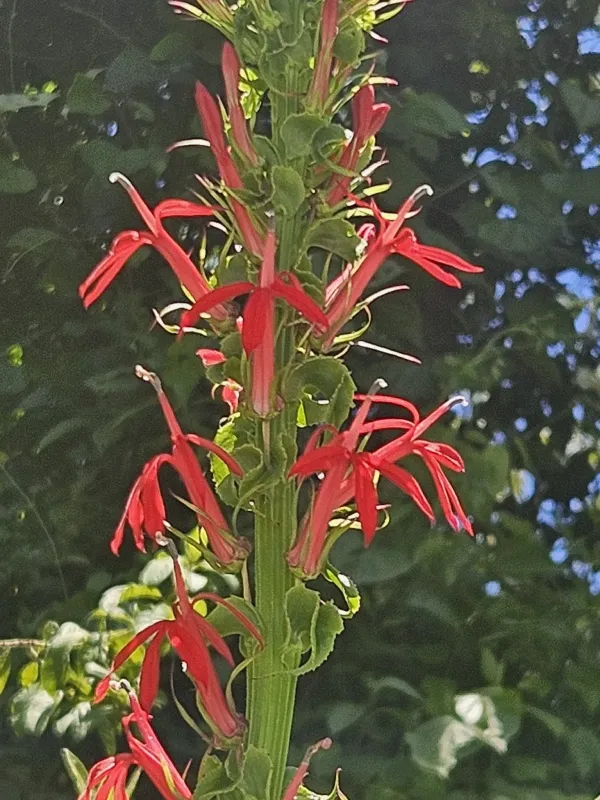
The plant grows upright, reaching heights of 100 to 120 centimeters. Its most distinctive feature is the terminal raceme of vivid scarlet-red, tubular flowers, which are highly attractive to hummingbirds and pollinating insects in their natural range.
For optimal growth, Lobelia cardinalis requires fertile, humus-rich soil with a neutral to slightly acidic pH. While it prefers full sun, it can tolerate partial shade, particularly in hotter climates where mid-day protection prevents leaf scorching.
Winter care is essential in colder zones. While somewhat hardy, the root systems may need protective mulch or indoor storage in regions where the soil freezes deeply, as crown rot can occur under extreme winter conditions.
Main diseases and pests
Powdery mildew is the most common fungal disease affecting cardinal flowers, typically appearing in conditions with poor air circulation or overcrowding. Proper spacing and airflow are the primary methods for preventing this issue.
Slugs and snails are major pests that target young, tender foliage during the spring. Implementing organic barriers like diatomaceous earth or copper tape around planting beds can effectively deter these pests from consuming the leaves.
Aphids occasionally infest the flowering stalks, potentially leading to weakened plant health and distorted growth. If an infestation is detected, applying insecticidal soap or neem oil is usually sufficient to control the population.
Root rot remains a risk if the soil becomes stagnant and lacks oxygen, despite the plant's need for moisture. Ensuring that the soil structure is loose and well-composed helps maintain the necessary balance for healthy root respiration.
Maintaining cleanliness in the garden by removing dead foliage and spent blossoms helps prevent the buildup of pathogens. This simple sanitation practice is vital for long-term plant health in high-humidity habitats.