
Chickweed-leaved lobelia
Lobelia alsinoides Lam.
Description
Sowing dates
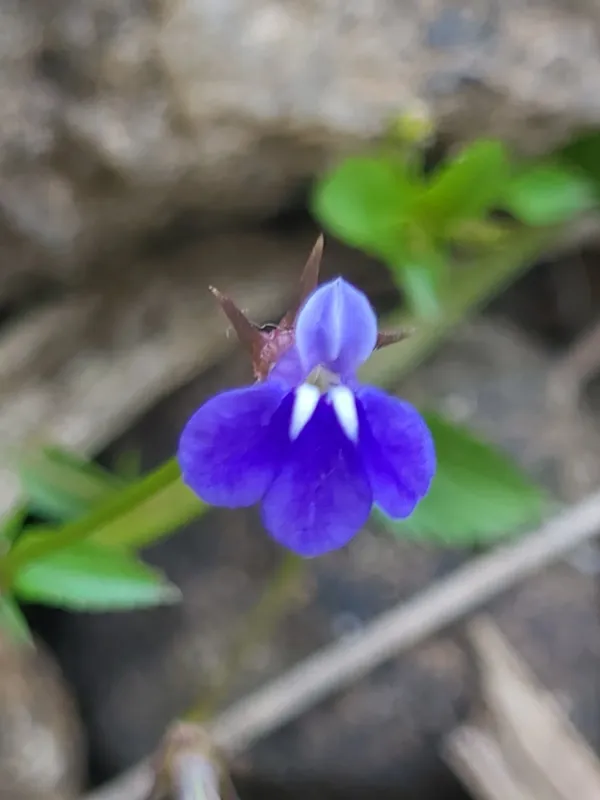
Lobelia alsinoides, known as the chickweed-leaved lobelia, belongs to the Campanulaceae family and is recognized for its slender growth habit and small, vibrant flowers.
Due to the microscopic size of its seeds, the sowing process requires extreme precision; seeds should be scattered on the surface of a fine, moist growing medium without being buried.
Indoor propagation is typically initiated in late winter, providing light and stable temperatures to ensure the tiny seedlings develop strong root systems before transplantation.
Outdoor sowing is restricted to areas where the frost risk has completely passed, as the plant is highly susceptible to cold-induced stunting and mortality.
Successful establishment depends on maintaining high humidity during the germination phase while ensuring that the substrate does not become waterlogged or compacted.
Growing requirements
This species thrives in moist, well-draining soils rich in organic matter, which supports the consistent nutrient uptake required for its long flowering period.
While the plant benefits from ample sunlight, it prefers protection from intense midday heat, which can cause dehydration and sudden wilting in its delicate stems.
Regular irrigation is essential, as the species lacks significant drought tolerance and responds poorly to erratic moisture levels in the root zone.
Mulching is a highly recommended practice to preserve soil moisture and regulate soil temperature, creating a stable environment for the plants to flourish.
Light fertilization with balanced, water-soluble nutrients during the peak growth phase encourages continuous blooming and maintains the aesthetic vigor of the crop.
Main diseases and pests
Root rot caused by pathogenic fungi is the most critical threat to this crop, particularly in environments with poor drainage or stagnant air conditions.
Botrytis, or gray mold, can spread rapidly through the foliage in humid, overcast weather, making canopy ventilation a priority for plant health management.
Aphids and spider mites pose the primary threat regarding insect pests, often emerging during warm, dry spells to colonize the tender tips of the plants.
Integrated pest management strategies should be employed, focusing on cultural practices such as adequate spacing to reduce humidity and early detection of infestations.
Maintaining a clean growing environment is necessary, as debris and dead plant matter can harbor pathogens that quickly compromise the health of the entire crop.