
Lobelia erinus
Lobelia erinus x Lobelia valida
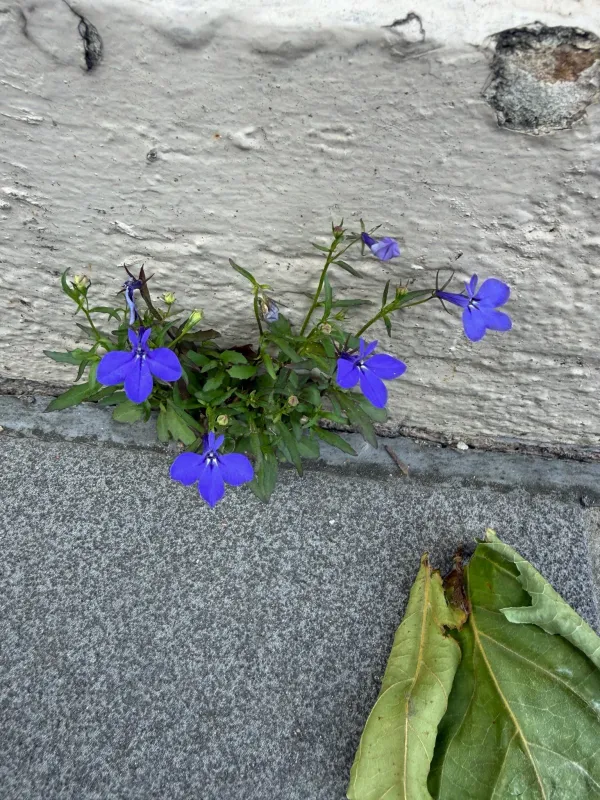
Description
Sowing dates
Lobelia erinus belongs to the Campanulaceae family and is a widely cultivated ornamental annual. Due to the slow growth rate during the seedling stage, sowing is typically initiated in late winter or early spring in a controlled environment.
The seeds are exceptionally small, requiring surface sowing on a moist, fine-textured substrate. They must not be covered with soil, as light is essential for germination; a transparent cover is recommended to maintain constant humidity.
Once the seedlings are large enough to handle, they should be pricked out into small containers or trays. This step encourages root development and helps produce dense, uniform clusters that thrive once transplanted into their permanent location.
Transplanting to the open field or containers should only occur after all risks of frost have passed. The plant prefers sunny locations, though in hot climates, partial shade is beneficial to prevent the foliage from scorching during peak sunlight.
Regular pinching of the terminal stems during the nursery stage is a standard practice to promote branching. This technique ensures a compact, mound-like habit and results in a more prolific display of flowers throughout the entire season.
Growing requirements
The crop performs best in fertile, well-draining soils with a neutral or slightly acidic pH. Over-fertilization, particularly with high-nitrogen compositions, should be avoided as it leads to excessive foliage growth at the expense of floral production.
Lobelia erinus is highly moisture-sensitive and requires consistent hydration. In containers or baskets, daily watering is often necessary, as the plant will quickly wilt and lose its decorative value if the substrate dries out completely.
Native to Southern Africa, this species thrives in warm and temperate conditions. The optimal temperature range for active growth and continuous flowering is between 18 and 25 degrees Celsius, with good airflow being a mandatory requirement.
Agricultural and horticultural use includes borders, mass planting, rock gardens, and hanging baskets. Its ability to produce dense carpets of blue, white, or violet flowers makes it a staple for both professional landscape and home gardening.
For optimal results, growers should ensure that the planting site offers protection from strong winds while maintaining enough airflow to prevent humidity buildup. Periodic deadheading can help keep the plants tidy and stimulate secondary flowering.
Main diseases and pests
Common diseases affecting Lobelia erinus include various forms of fungal root rot and powdery mildew, often resulting from poor ventilation or excessive humidity. Ensuring proper spacing between plants is the most effective preventative measure.
Pests such as aphids and spider mites are the most frequent visitors. Aphids tend to congregate on the tips of new growth, while spider mites are more common in dry, warm environments where airflow is insufficient for the plant's health.
To manage infestations, biological controls or targeted insecticides are recommended. It is important to treat plants early in the season to prevent population explosions, which can significantly damage the floral display and weaken the plant.
Good sanitation practices, such as removing fallen leaves and debris, minimize the risk of pathogen overwintering. Keeping the area weed-free also helps in maintaining the vitality of the crop and reducing competition for nutrients.
Finally, maintaining a balanced fertilization program and avoiding overhead watering in the late afternoon can drastically reduce the occurrence of fungal issues, ensuring the plants remain healthy and vibrant throughout the growing cycle.