
Lobelia pedunculata
Lobelia pedunculata R. Br.
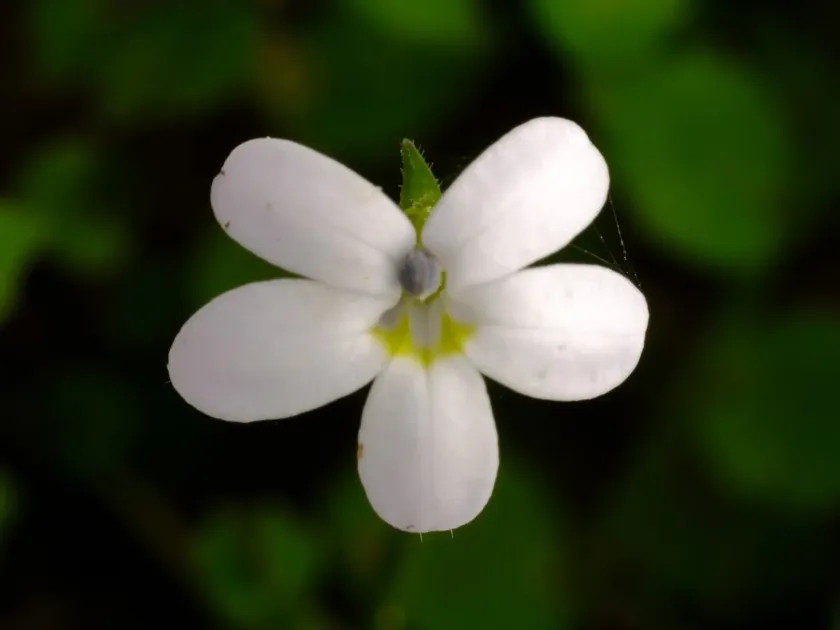
Description
Sowing dates
Sowing Lobelia pedunculata seeds for transplants should begin in late February or early March. The seeds are extremely tiny, so they must be sown on the surface of the substrate without covering them, as light is essential for their germination.
Cover the sowing containers with glass or transparent plastic to maintain high humidity levels. The optimal temperature for germination ranges from 20 to 22 degrees Celsius, and seedlings typically emerge within two weeks.
Pricking out the seedlings into individual pots or cell trays should be done once two or three true leaves have developed. This process ensures the plants establish a stronger root system before being moved outdoors.
Hardening off the seedlings is a crucial step before transplanting them to the garden. This process involves gradually exposing the plants to outside temperatures for several days prior to final planting.
Transplanting into the permanent garden bed should only occur after the risk of frost has completely passed. Spacing between the plants should be roughly 15 to 20 centimeters to allow for optimal air circulation.
Growing requirements
Lobelia pedunculata thrives in sunny locations but can tolerate partial shade in areas with high summer heat. The plant requires consistent and moderate irrigation, as it does not tolerate soil drought or waterlogging.
The ideal soil for this species is a light, well-draining loam or sandy loam with a neutral pH level. Over-fertilizing with nitrogen should be avoided, as it encourages excessive vegetative growth rather than bloom production.
During the growing season, plants benefit from regular applications of balanced mineral fertilizers. Potassium and phosphorus are particularly important to support a prolonged and vibrant flowering period.
As a member of the Campanulaceae family, this species is highly valued for its decorative appearance. It forms dense, low-growing mounds, making it an excellent choice for ground covers, hanging baskets, and container gardening.
Pruning or pinching back the tips of young shoots is an effective agrotechnical practice. This encourages branching, which leads to a denser, more bush-like structure and increases the overall number of blooms.
Main diseases and pests
High humidity and poor ventilation often lead to fungal issues such as root rot and powdery mildew. Maintaining proper spacing and ensuring excellent soil drainage are the most effective preventive measures against these diseases.
Aphids and spider mites are the most common pests that affect the foliage of these plants. If an infestation occurs, it is recommended to treat the plants with appropriate insecticides or acaricides as needed.
Slugs and snails can cause significant damage to young seedlings by eating the leaves. Using physical barriers or traps around the base of the plants can help protect them from these common garden pests.
Wilting caused by improper watering is a common issue for many ornamental crops. Ensuring a consistent moisture level in the soil prevents physiological stress and helps the plants maintain their decorative qualities.
Implementing crop rotation is highly recommended to prevent the buildup of soil-borne pathogens. Regularly weeding the area is also necessary to eliminate potential hiding spots for pests and to minimize competition for nutrients.