
Lobelia alsinoides hybrid
Lobelia alsinoides Lam. (syn. Lobelia trigona Roxb.) x Lobelia erinus L.
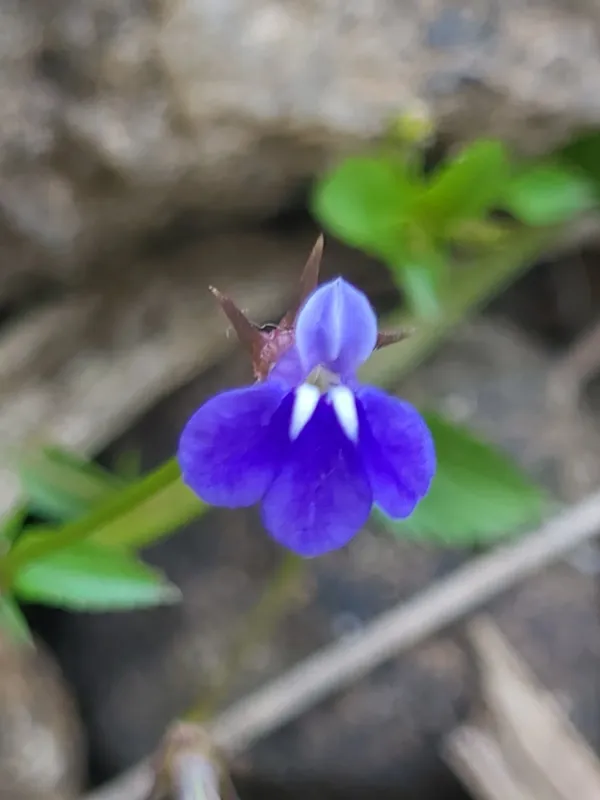
Description
Sowing dates
Lobelia alsinoides hybrid, a member of the Campanulaceae family, is an ornamental plant typically propagated through seeds sown indoors. Sowing should commence in late February or March to ensure the plants are sufficiently mature for outdoor transplanting.
The seeds are extremely fine, requiring surface sowing on moist substrate without being covered with soil. Maintaining a constant temperature of approximately 20-22 degrees Celsius is crucial to achieving uniform germination.
After sprouts emerge, it is advisable to lower the temperature slightly to prevent the seedlings from becoming leggy. Pricking out should be done in clusters of 3-5 plants per pot to encourage a bushy growth habit later on.
Transplanting into the garden or final containers must occur only after all risk of frost has passed, usually late May. The plants prefer sheltered locations with a gentle microclimate and protection from intense evening chills.
When planting, maintain an spacing of 15-20 centimeters between groups. Proper spacing is essential to ensure adequate airflow and nutrient access, preventing competition between individual plants as they mature.
Growing requirements
This hybrid variety has specific light requirements; it thrives in sunny locations to achieve peak flowering performance. While it can tolerate partial shade, significantly less blooming may occur in darker environments.
Soil quality is paramount: the medium must be light, fertile, and exhibit excellent drainage. Heavy clay soils are unsuitable as they promote waterlogging and subsequent root rot, which is a common fatal issue for this species.
Consistent moisture is required for optimal health, as the plants are highly sensitive to drought. However, users must avoid overwatering to prevent the saturation of the root zone, which can lead to fungal issues.
Fertilization should be managed using balanced mineral feeds with low nitrogen content to avoid excessive vegetative growth. Focus on formulas that promote phosphorus and potassium uptake to support continuous flower production throughout the season.
Lobelia alsinoides hybrids are widely used in landscape design for borders, bedding, and hanging baskets. They are prized for their ability to form dense, colorful mats that provide aesthetic value in various garden structures.
Main diseases and pests
Fungal diseases, including root rot and grey mould, represent the primary threat to this plant, often triggered by poor ventilation and excessive soil moisture. Preventive care involves disciplined irrigation and spacing for air movement.
During prolonged dry and hot periods, spider mites can become problematic. Control measures involve the use of acaricides, with particular attention paid to the undersides of leaves where these pests typically cluster and feed.
Aphid infestations may affect young shoots, causing stunted growth and leaf curling. Systemic insecticides are generally effective in managing these populations while ensuring the plant maintains its structural integrity and health.
Powdery mildew may manifest during periods of high humidity combined with fluctuating temperatures. Applying sulfur-based fungicides or appropriate chemical treatments at the first sign of white spots is essential for disease control.
Mechanical damage from severe weather, such as heavy downpours, can break fragile stems. Providing physical protection or positioning plants in areas shielded from strong winds helps to preserve the aesthetic quality of the foliage.