
Lobelia erinus
Lobelia erinus L.
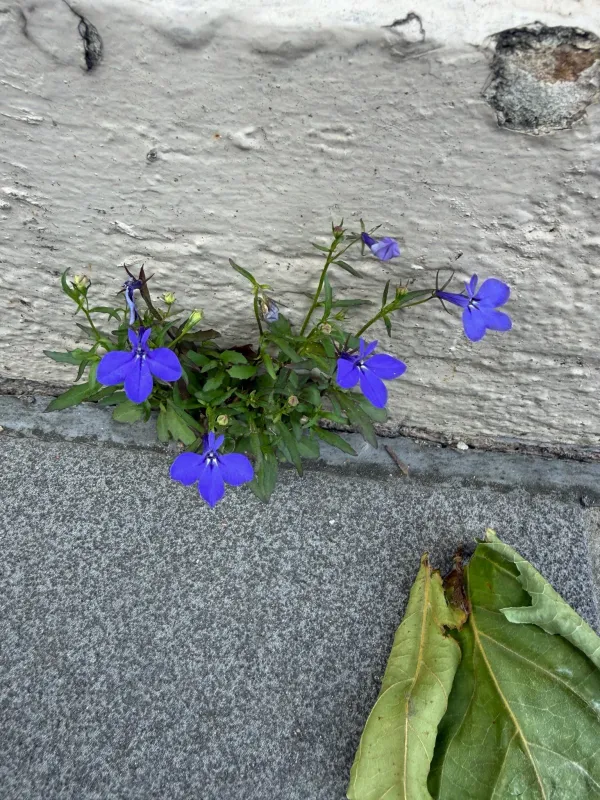
Description
Sowing dates
Lobelia erinus is a tender perennial, typically grown as an annual in most temperate climates. Seeds should be sown indoors in late winter or early spring, using a fine-textured, well-draining seed starting mix.
The seeds are extremely small and require light for germination, so they should not be covered with soil. A light dusting or simply pressing them into the surface is sufficient for successful sprouting.
Once the seedlings reach a manageable size, they should be transplanted into individual cells or small pots. Pinching the tips of the young stems encourages lateral branching, creating a fuller plant.
Hardening off is essential before transplanting the plants into the garden. This process should occur after the danger of frost has completely passed, typically in late May or early June.
Planting in the garden should be done with a spacing of approximately 15 to 20 centimeters. This ensures proper airflow, which is critical for the overall health and vigor of the young plants.
Growing requirements
This species belongs to the Campanulaceae family and thrives best in full sun to partial shade. In extremely hot climates, some shade during the afternoon hours is beneficial to prevent foliage scorch.
The ideal soil for Lobelia erinus is consistently moist, fertile, and rich in organic matter. While it prefers moisture, it must never be waterlogged, as poor drainage is a common cause of plant failure.
Regular watering is necessary to keep the soil evenly moist throughout the growing season. Dry spells will quickly lead to wilting and reduced flowering, compromising the plant's decorative value.
For optimal growth, use a balanced water-soluble fertilizer diluted to half-strength. Over-fertilizing with nitrogen should be avoided to prevent excessive leafy growth at the expense of floral display.
Deadheading the plants, or cutting them back after the first flush of blooms, often encourages a second wave of flowers, extending the ornamental season well into the late summer months.
Main diseases and pests
Root rot is the most significant threat to Lobelia erinus, usually caused by overwatering or soil that remains saturated for extended periods. Providing good drainage is the best preventive measure.
Powdery mildew can affect the foliage, particularly when humidity levels fluctuate or plants are spaced too closely. Fungicidal treatments are effective, but improving air circulation is more important.
Spider mites are common pests that thrive in hot, dry conditions. They suck sap from the leaves, resulting in mottled or discolored foliage and eventual plant decline if left untreated.
Aphids can also colonize the tender tips of the plants. Regular monitoring and the application of insecticidal soaps are typically enough to manage small infestations before they become problematic.
Maintaining a clean garden environment by removing weeds and dead plant material helps to reduce the habitat for these pests and pathogens, ensuring a healthier crop throughout the season.