
Pratia angulata
Lobelia angulata G. Forst.
Description
Growing requirements
Pratia angulata (also known as Lobelia angulata) is a perennial groundcover plant belonging to the Campanulaceae family. Native to regions in New Zealand, this species is highly valued for its ability to create dense, low-growing mats that suppress weeds and retain moisture in the soil.
For successful cultivation, the plant requires moist, well-draining, and nutrient-rich soil. It thrives best in semi-shaded positions where it can avoid the harsh intensity of midday sun while receiving sufficient indirect light for optimal vegetative development.
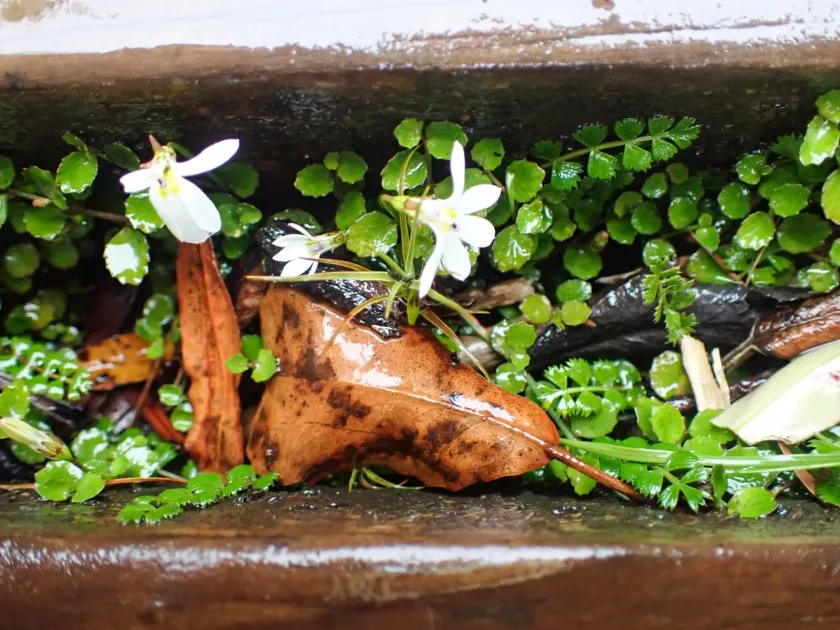
The botanical structure of Pratia angulata consists of creeping stems that root at the nodes, which facilitates its rapid spread. The leaves are characteristically small, oval to angular in shape, and the plant produces white, star-shaped flowers that bloom prolifically during the warmer months.
Climatic requirements are specific to cool to temperate zones. While the plant can withstand moderate frost, it requires protective mulching in colder regions to preserve the integrity of the root system during winter dormancy.
Water management is the most critical factor in the agronomy of this crop. Regular irrigation is necessary to prevent the leaves from wilting, as the plant lacks significant drought tolerance and responds poorly to long periods of moisture deficit in the root zone.
Main diseases and pests
The primary agricultural threats to Pratia angulata include root rot caused by stagnant water, especially in heavy clay soils. Ensuring proper porosity and drainage is essential to preventing fungal infections in the creeping stems.
Gastropods, particularly slugs and snails, are the most frequent pests. They are attracted to the succulent, dense foliage and can cause significant damage in shaded or damp conditions, necessitating manual control or integrated pest management strategies.