
Lobelia valida
Lobelia valida L. Bolus
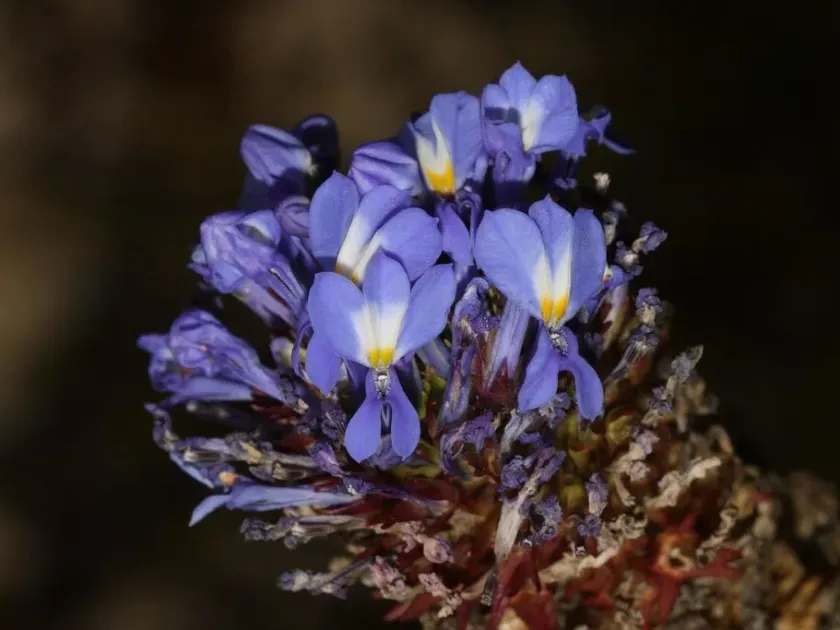
Description
Sowing dates
Lobelia valida belongs to the Campanulaceae family. It is a perennial herbaceous plant, which is most commonly cultivated as an annual or container plant in temperate climates.
Seeds are typically sown indoors in late winter or early spring, usually in February or March. Because the seeds are very small, they should be distributed across the surface of a moist substrate without covering them with soil, then covered with glass or plastic.
Seedlings emerge within 14–20 days when temperatures are maintained between 20–22 degrees Celsius. Proper ventilation and moderate watering are essential during this stage to prevent damping-off disease.
Seedlings should be pricked out after the development of two true leaves. They are transplanted into the open ground or permanent pots only after the threat of night frost has completely passed.
For commercial production or landscape design, adhering to specific spacing is critical to ensure airflow between bushes, which helps prevent excessive moisture accumulation.
Growing requirements
For successful growth, Lobelia valida requires well-lit locations, although light shade is acceptable in regions with extremely hot summer climates. The plant prefers loose, fertile, and moderately moist soils with a neutral or slightly acidic pH.
The crop is highly demanding regarding regular irrigation, especially during the flowering stage. Allowing the root ball to dry out will cause immediate wilting and halt the plant's development.
The plant responds well to regular fertilization using balanced mineral fertilizers specifically designed for flowering plants. Applications are recommended every two weeks during the peak growing season.
Protection from strong winds is essential as the stems can be quite fragile. When grown in containers, ensuring an adequate drainage layer in the pots is necessary for root health.
In greenhouse environments, maintaining optimal humidity and consistent air circulation is vital to prevent root zone overheating and fungal pathogens.
Main diseases and pests
Fungal diseases, which often occur due to waterlogged soil and poor ventilation, pose the primary threat to Lobelia valida. Powdery mildew, characterized by a white powdery coating on leaves, is the most common issue.
Damping-off (black leg) is a severe problem during the seedling stage. The pathogen attacks the plant stem at the base, leading to rapid decay when humidity levels remain too high.
Common pests found on lobelia include aphids and spider mites. These insects feed on cell sap, which causes leaf deformation and stunts the overall growth of the plant.
Control methods for pests involve the application of systemic insecticides, while fungal infections are treated with appropriate fungicides according to manufacturer instructions.
Effective prevention strategies include crop rotation, the timely removal of weeds, and careful management of planting density to ensure proper circulation of the canopy.