
Lobelia fulgens
Lobelia fulgens Willd.
Description
Sowing dates
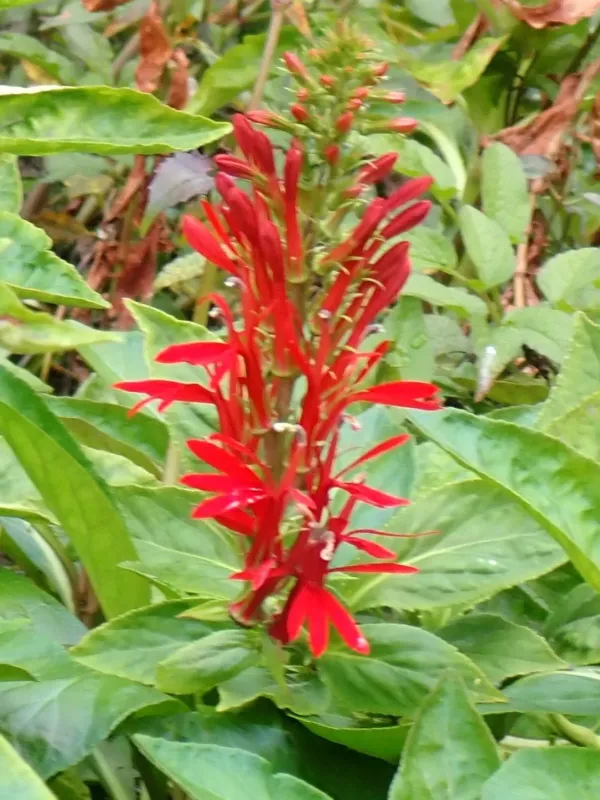
Lobelia fulgens, commonly known as the Mexican lobelia, belongs to the Campanulaceae family. It is a stunning perennial prized for its vibrant red flowers and dark, often bronze-tinted foliage.
Propagation is typically done through seeds sown in late winter or early spring in a warm greenhouse. The seeds are extremely small and require light for germination, so they should be sown on the surface of a fine, moist potting mix.
Seed trays should be kept at a steady temperature of around 20-22 degrees Celsius. Covering the container with a plastic film or glass helps maintain high humidity, which is critical for successful germination.
Once seedlings are large enough to handle, they should be pricked out into individual pots. Providing adequate light is essential during this stage to prevent the seedlings from becoming leggy and weak.
Hardening off the plants before transplanting into their final outdoor position is a necessary step. Move them gradually to outdoor conditions over the course of two weeks to ensure they can withstand local weather fluctuations.
Growing requirements
This species thrives in consistently moist, nutrient-rich soils. In its native habitat, it is often found in wet meadows or near stream banks, so it performs exceptionally well in damp garden borders.
Full sun is required to achieve the best color intensity in both the foliage and the blooms. However, in regions with extreme summer heat, light afternoon shade can prevent the plant from wilting.
Water management is the most important aspect of its cultivation. The root zone must never be allowed to dry out completely, as this quickly leads to stunted growth and flower drop.
Regular fertilization with a balanced liquid fertilizer during the growing season promotes vigorous development. High-potassium formulas are preferred to support continuous flowering throughout the summer.
In cooler climates, the plant may require protection from winter frosts. Adding a thick layer of mulch around the base of the plant in late autumn can help protect the root system from freezing.
Main diseases and pests
Common pests include aphids and spider mites, which are particularly troublesome during hot, dry spells. Regular inspection of the underside of leaves can help detect early infestations.
Fungal issues like powdery mildew and various root rots are major threats. These usually occur due to poor air circulation or waterlogged soil conditions during prolonged damp weather.
Integrated pest management strategies involve maintaining plant vigor through proper nutrition and watering. Removing dead or infected foliage promptly helps limit the spread of pathogens.
Chemical control should be used as a last resort, choosing products that are safe for pollinators. Always follow the manufacturer's label instructions regarding dosage and frequency of application.
Good garden hygiene, such as removing debris and weeds around the plants, reduces the hiding places for pests and the buildup of fungal spores in the surrounding microclimate.