

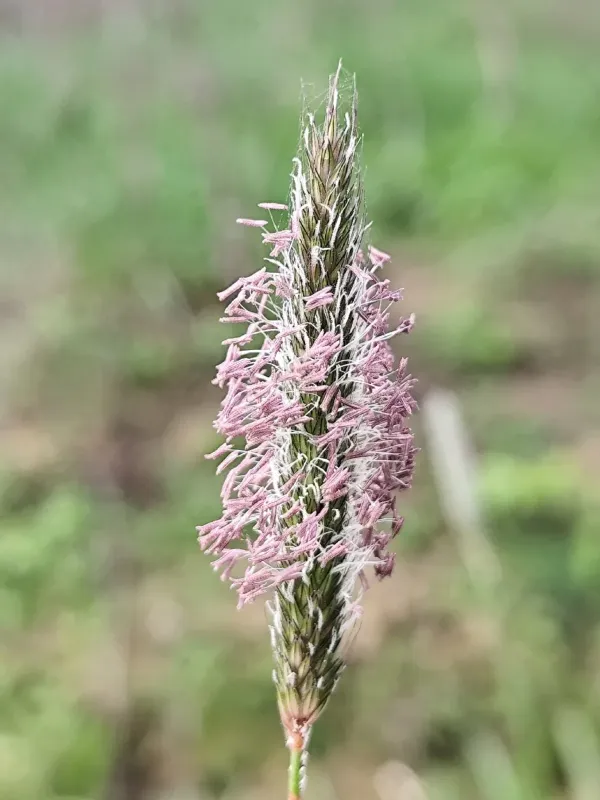
Description
Sowing dates
Meadow foxtail is a cool-season perennial grass that is best sown in early spring or late summer when soil moisture is at its peak for germination.
Autumn sowing is also common in many regions, allowing the seeds to undergo natural vernalization, which ensures early growth in the following season.
The recommended seeding rate is approximately 10–12 kg per hectare, with a shallow planting depth of 1–2 cm to ensure optimal seedling emergence.
Establishment can be slow, so it is often recommended to seed meadow foxtail alongside faster-growing species to establish a productive pasture quickly.
Rolling the soil after planting is essential to ensure good soil-to-seed contact, particularly for small-seeded forage crops like this one.
Growing requirements
Meadow foxtail thrives in moist, fertile soils and is famously known for its ability to tolerate prolonged waterlogging and flooding.
It prefers heavy, nutrient-rich soils such as clay or heavy loam, making it an excellent choice for low-lying meadows and riverside pastures.
The plant is highly winter-hardy and performs well in cold climates where other forage grasses might suffer from winterkill.
While it requires significant moisture, it is not well-suited for extremely dry, sandy soils where its shallow root system cannot access enough water.
Proper nutrient management is key, as the grass responds vigorously to nitrogen fertilization during the early spring and after the first cut.
Yield
With adequate moisture and soil fertility, meadow foxtail can produce yields of 20–30 tonnes of green mass per hectare per season.
When harvested at the early heading stage, the hay quality is excellent, characterized by high protein content and good digestibility for livestock.
It is known for its rapid regrowth after cutting, allowing for multiple harvests or intensive grazing throughout the summer months.
Seed production yields range from 200 to 400 kg per hectare, depending on crop management and climatic conditions during the reproductive phase.
The stand typically reaches peak productivity between the third and fifth year, remaining a stable component of permanent pastures for many years.
Main diseases and pests
Ergot is a significant concern for meadow foxtail, as it can infect the seed heads, making the forage toxic and unsuitable for animal consumption.
Rust diseases are common in humid conditions and can reduce both the photosynthetic area and the overall palatability of the forage.
Insects like the Hessian fly or various stem-boring larvae can damage the growing tips, causing poor tiller development and reduced yields.
Nematode infestations can occur in aging pastures, leading to thinning of the stand and a noticeable decline in biomass production.
- Use certified, disease-free seed for all new plantings.
- Maintain proper grazing or mowing intervals to manage pathogen buildup.
- Monitor the field for early signs of rust or insect damage.
Harvesting
For high-quality hay, the crop should be harvested at the beginning of the heading stage, before the seeds begin to fully develop and harden.
Delaying harvest results in a significant increase in crude fiber and a corresponding decrease in digestible protein, which lowers feed quality.
When harvesting for seeds, farmers wait until the heads show a distinct yellow-grey color to capture the maximum amount of mature seed.
Proper curing of the hay is essential; it requires effective tedding and windrowing to ensure uniform moisture reduction before baling.
Following the final harvest, light grazing is often recommended to clean up the stubble and stimulate root development before the onset of winter.
Content graph
Connections · Meadow foxtail
Most often together:
Marketplace
Products · 10


AGROTEX, RK (2-methyl-4-chlorophenoxyacetic acid in the form of dimethyl
Nufarm
Herbicides
0
0
·
25
No offers
—
Details