
Marsh foxtail
Alopecurus geniculatus L.
Description
Growing requirements
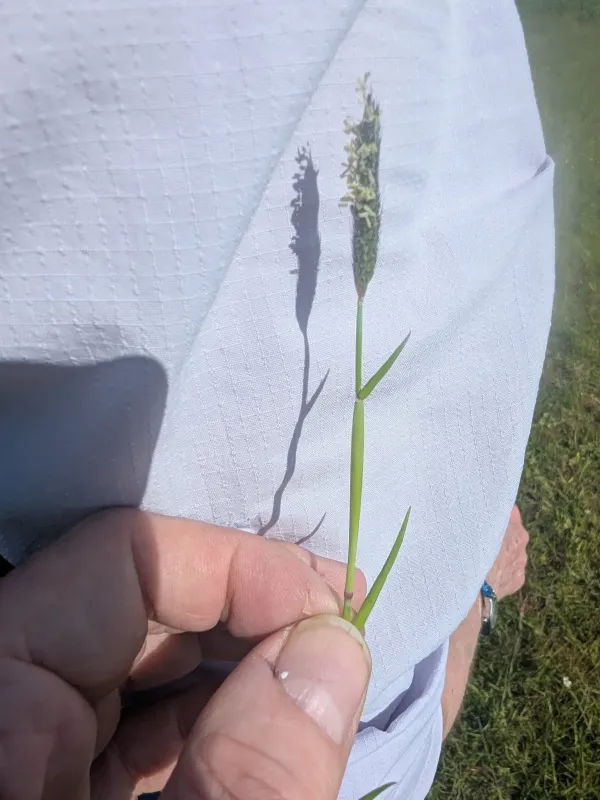
Marsh foxtail (Alopecurus geniculatus L.) is a perennial grass species belonging to the Poaceae family, widely recognized for its adaptability to moist and flooded environments.
The plant is typically found in habitats characterized by high soil moisture, such as wet meadows, stream banks, and seasonally inundated floodplains, where it thrives while other species might struggle.
Morphologically, it is a stoloniferous grass with stems that often bend at the nodes and root into the soil, allowing it to form dense, resilient mats that provide excellent soil stabilization and high-quality ground cover.
Its geographical range includes temperate regions across Europe, Asia, and North America, where it prefers cool, damp climates and nutrient-rich, heavy soils that retain water throughout the growing season.
Cultivation of this grass requires management that respects its hydrophytic nature, focusing on maintaining adequate moisture levels while ensuring the soil remains fertile enough to support vigorous vegetative growth.
Main diseases and pests
While marsh foxtail is generally a robust species, it can be susceptible to various diseases, particularly when managed under conditions of poor aeration or excessive density that promote fungal growth.
Common issues include leaf rust and various blights, which can diminish both the quantity and the nutritional quality of the forage if they spread significantly across the stand.
Insect pests, such as cereal aphids and shoot flies, may occasionally affect the grass by damaging the stems or extracting sap, which weakens the plant's ability to recover after grazing or harvest.
Preventative management is key; this includes rotational grazing and controlled harvesting to ensure the stand remains vigorous, healthy, and less prone to persistent pest or disease outbreaks.
Balanced fertilization practices are essential to improve the plant's natural resilience, ensuring that the grass can sustain its productivity even under pressure from biotic stressors.