

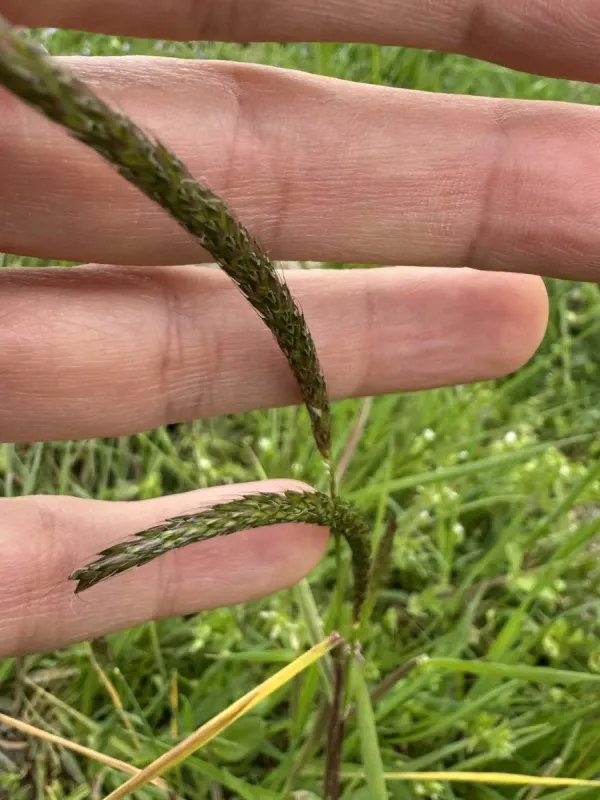
Description
Sowing dates
Alopecurus myosuroides is an annual grass weed that poses a significant threat to winter cereal production globally. Seeds germinate predominantly in autumn, which aligns its lifecycle perfectly with winter wheat cultivation.
Massive emergence typically occurs from September through November, making it a highly aggressive competitor for resources in emerging cereal crops. While spring germination is less common, it can still occur under favorable moisture conditions.
The seeds have high viability and can persist in the soil seed bank for several years. The depth of seed burial during natural shedding is typically shallow, usually within the top 5 centimeters of the soil profile.
Effective crop management requires careful consideration of emergence windows. Early-sown winter crops are particularly susceptible to heavy infestations because the growth cycles of the crop and the weed overlap significantly.
Cultural control practices, such as delaying sowing dates, allow for the reduction of weed population density. This strategy provides an opportunity to eliminate the first flush of weed seedlings through tillage or contact herbicides before crop planting.
Growing requirements
Black-grass favors heavy, clay-rich, and moisture-retentive soils where it displays maximum competitive vigor. The species is highly demanding of soil moisture and performs poorly in arid or excessively dry environments.
The weed adapts well to varying soil pH levels but thrives most notably in neutral to slightly acidic conditions. High nitrogen availability in the soil promotes rapid vegetative growth and tiller formation.
Climatically, the plant prefers temperate conditions with mild winters, which explains its widespread prevalence in maritime climates. Excessive soil waterlogging during the autumn and winter months is an ideal environmental driver for its expansion.
The plant possesses remarkable ecological plasticity, allowing it to colonize diverse agroecosystems successfully. In compacted soil conditions, black-grass often becomes the dominant grass weed species within the field.
Managing soil health, including drainage improvements and judicious use of minimal tillage, significantly influences weed population dynamics. Continuous field monitoring assists in assessing the risk of severe infestations.
Main diseases and pests
A primary agronomic challenge is the species' rapid evolution of resistance to various herbicide classes, specifically ACCase and ALS inhibitors. This development has made chemical control increasingly difficult in intensive farming systems.
Cereal pathogens, including rusts and powdery mildew, can infect black-grass, turning it into a reservoir for inoculum. This facilitates the transmission and spread of fungal diseases to nearby commercial cereal crops.
Insect pests that target small grains often use black-grass as an alternative or intermediate host. These insects frequently find suitable conditions for survival and reproduction on this weed throughout the year.
Competition from black-grass causes substantial yield losses by suppressing crop development and tiller count. At high infestation densities, yield losses in wheat can exceed 50 percent of the potential harvest.
To mitigate these threats, integrated weed management is essential, focusing on the rotation of herbicides with different modes of action. Combining crop rotation and high-quality seed use remains the most effective long-term control strategy.
Content graph
Connections · Black-grass
Most often together:
Marketplace
Products · 31


Monitor 750
Монсанто Європа С.А., Антверпен, Бельгія
Herbicides
2
1
·
3.9K
5 offers
321.85 €per 1 l
Buy




Monitor, WG, herbicide
Sumitomo Chemical Agro Europe S.A.S.
Herbicides
0
0
·
30
5 offers
321.85 €per 1 l
Buy



Contactwin
Finkemü Schwebda, F.GmbH, GERMANY, MEMBER OF GROUP
Herbicides
0
0
·
611
No offers
—
Details


