
Orange foxtail
Alopecurus aequalis Sobol.
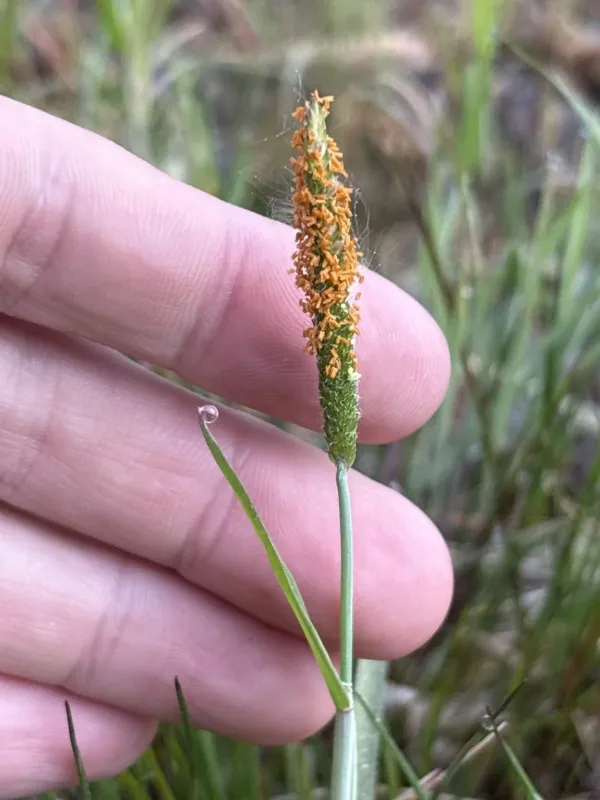
Description
Growing requirements
Orange foxtail (Alopecurus aequalis) is an annual or biennial grass species belonging to the family Poaceae, widely recognized for its preference for wet environments.
This species is naturally found in riparian zones, muddy margins of ponds, wet meadows, and various depressions that retain moisture throughout the growing season.
The plant has a broad distribution across the Northern Hemisphere, adapting well to diverse temperate climates where water is abundant and readily available in the substrate.
Botanically, it is characterized by its slender stems and dense, cylindrical spike-like panicles that produce numerous seeds, ensuring efficient propagation in changing habitats.
Optimal growth occurs in silt-rich, alluvial soils that are fertile and consistently damp, as the plant lacks drought tolerance and requires a high water table.
Main diseases and pests
Like many wetland grasses, orange foxtail is susceptible to various fungal pathogens, particularly those that thrive in humid and poorly ventilated conditions.
Insect pests such as grass flies, aphids, and leafhoppers frequently infest dense stands of this grass, leading to stunted growth and reduced biomass yield.
Competition from more invasive aquatic or semi-aquatic plant species can pose a significant challenge to the survival of the orange foxtail population in natural meadows.
Overgrazing by livestock represents a direct threat, as it destroys the delicate reproductive structures and suppresses the recovery of the grassland patches.
Effective management requires monitoring for signs of infestation and ensuring that the environmental conditions remain optimal for the grass while limiting weed encroachment.