
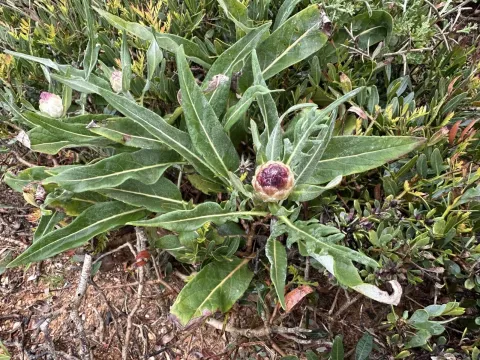
Maral root
Leuzea DC.
Leuzea carthamoides, commonly known as Maral root, belongs to the Asteraceae family and is a robust perennial herb. Sowing is typically performed in late autumn or early spring when soil temperatures reach 5–6°C.
What the section contains

Maral root
For spring sowing, seeds require cold stratification for 4 to 6 weeks to break dormancy and ensure high germination rates. Seeds are planted at a depth of 1–3 cm depending on soil texture.
The recommended planting pattern involves row spacing of 45–60 cm, which facilitates mechanical weeding and promotes healthy air circulation. Seeding rates are usually around 8–10 kg per hectare.
During the first year, plants develop slowly by forming a basal rosette. It is crucial to thin the seedlings early on to provide adequate space for root system development.
Proper field preparation, including deep plowing and incorporating organic matter, is essential for establishing a long-lived plantation of this medicinal crop.
Maral root thrives in fertile, well-drained soils, preferably deep chernozems or loams with a neutral to slightly acidic pH. It does not tolerate waterlogging, which can lead to root decay.
This species is highly cold-hardy, as it originates from the alpine regions of Siberia and Central Asia. It requires a significant amount of light to maximize the production of active ecdysteroids.
Adequate moisture is necessary during the vegetative growth phase, particularly in the first two years of development. However, the soil must be well-aerated to prevent fungal pathogens.
Fertilization with phosphorus and potassium is highly beneficial for the crop, as these elements promote the development of the rhizome, which is the primary source of medicinal compounds.
Maintaining a clean field free of weeds is vital, especially during the first season when the plants are less competitive against aggressive weed species.
The yield of Maral root is focused on the dry weight of harvested rhizomes. Under optimal conditions, a 3–4 year old plantation can yield between 1.5 and 2.5 tons of dry roots per hectare.
In addition to roots, the aerial parts of the plant can be harvested for their medicinal properties. Harvesting the leaves can occur annually, yielding approximately 10–15 tons of biomass per hectare.
Yield and quality are heavily dependent on harvest timing and proper post-harvest processing. Early harvesting often results in lower concentrations of active ingredients.
Using high-quality seeds and maintaining soil fertility through regular nutrient application are the primary drivers for achieving high and sustainable yields in commercial production.
Plant density management is critical; maintaining an optimal number of plants per hectare ensures that individual plants receive sufficient nutrients for optimal growth.
The most significant threats to Leuzea plantations include soil-borne fungal pathogens such as Fusarium and Rhizoctonia, which cause root rot, especially in poorly drained soils.
Insect pests like aphids can attack young leaves, while subterranean pests can damage the rhizomes. Regular scouting and integrated pest management strategies are recommended.
Crop rotation is a fundamental preventive measure. Avoiding fields where other sensitive medicinal or vegetable crops were previously grown helps reduce the risk of pathogen buildup.
In cases of severe infestation, biological controls are preferred over synthetic pesticides to preserve the medicinal quality and purity of the final product.
Preventing water stagnation in the field is the most effective way to manage the risk of fungal diseases, as healthy, non-stressed plants are more resistant to infection.
Rhizomes are typically harvested in the autumn of the third or fourth year of growth, when the aerial parts begin to wither and nutrient levels in the roots are at their peak.
Mechanical diggers are used to extract the roots, which are then cleaned, washed, and trimmed to remove soil and stalk remnants before being divided for drying.
Drying is a critical step; the roots should be dried in well-ventilated conditions or industrial dryers at temperatures between 50°C and 60°C to preserve bioactivity.
Harvesting of the green biomass is carried out during the budding stage. Immediate drying after cutting is necessary to prevent fermentation and spoilage of the raw material.
Once dried, the product should be stored in a cool, dry, and dark environment in breathable containers to maintain potency and prevent the growth of mold or pest damage.