
Leuzea rhapontica
Leuzea rhapontica (L.) Holub
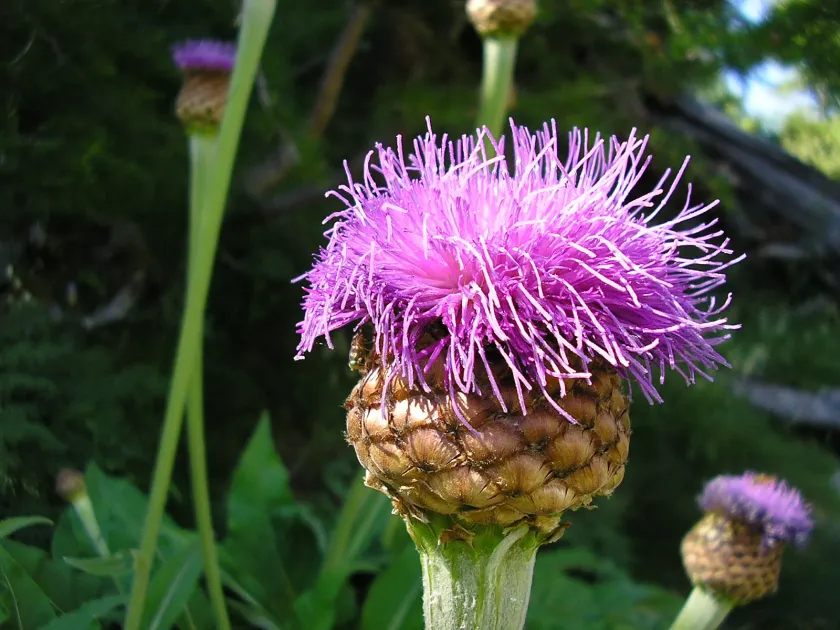
Description
Sowing dates
Leuzea rhapontica is a perennial herbaceous plant belonging to the Asteraceae family. For industrial cultivation aimed at high-quality herbal production, sowing should be carried out either in late autumn (before winter) or early spring as soon as the soil is workable.
Seed stratification is essential for successful germination, making autumn sowing particularly effective in temperate climates. Seeds are typically planted at a depth of 1.5–2 cm, ensuring firm soil contact for optimal moisture absorption.
When sowing in spring, the field must be prepared in advance by removing perennial weeds and incorporating organic fertilizers. An optimal planting layout includes 45–60 cm row spacing to allow the plant's robust rosette to develop without competition.
During the first year, Leuzea develops slowly, focusing on establishing the basal rosette. Maintaining optimal plant density is crucial to prevent weed competition, which can significantly stunt the growth of young seedlings.
With proper management, seedlings usually emerge within 15–20 days. Thinning should be performed after the development of 2-3 true leaves, leaving a distance of 20–25 cm between plants to ensure a healthy root system in subsequent years.
Growing requirements
The crop thrives in fertile, loose, loamy, or sandy soils with a neutral or slightly acidic pH. Effective drainage is a critical requirement, as waterlogging can lead to root rot and diminished quality of the harvested medicinal material.
Leuzea is a light-loving plant; therefore, sites with full sun exposure are preferred. Insufficient sunlight negatively impacts the concentration of bioactive compounds, such as ecdysteroids, which are vital for the plant's medicinal value.
While the plant is highly cold-hardy, young specimens can be sensitive to extreme temperature fluctuations and drying winds during the establishment phase. Mulching is a recommended practice to stabilize soil temperature and moisture.
Regular irrigation is necessary throughout the growing season, especially during periods of active vegetative growth. Soil moisture deficit during this time can result in smaller root development, directly affecting total yield.
Mineral nutrition needs are highest during the second and third years of growth. Applying balanced NPK fertilizers in spring helps stimulate rosette regrowth and enhances the development of the primary root mass.
Yield
Commercial production focuses primarily on root harvesting, which is typically conducted in the 3rd or 4th year of the plantation. The dry root yield can reach between 1.5 and 3 tonnes per hectare under optimal conditions.
The aerial part (the herb) is also used for pharmacological purposes and is harvested during the peak flowering stage. The average yield of dried herbal mass is approximately 2–4 tonnes per hectare, providing an additional source of revenue.
High productivity is achieved through consistent weed management throughout the crop's lifecycle. A well-maintained plantation can remain productive for 5–6 years without a significant decline in the quality of the harvested materials.
Factors influencing root mass include the specific timing of harvest and the level of agronomic care. Early harvesting results in biomass loss, while delaying excavation can increase the risk of soil-borne diseases.
Post-harvest storage requires maintaining a moisture content below 12%. Proper drying and storage conditions ensure that the bioactive compounds remain stable and the product retains its commercial value during transport.
Main diseases and pests
The most significant threats to Leuzea are root and crown rot, which thrive in poorly drained soils. Pathogenic fungi attack the root collar, often leading to the death of the entire plant if drainage is not managed correctly.
Soil pests, such as wireworms and white grubs, can cause substantial damage to the root system. This damage often serves as an entry point for secondary infections, which complicates disease control and reduces total yield.
Leaf-feeding insects, including moths, may damage the leaf rosette. In cases of mass infestation, the use of biological agents or approved insecticides is necessary to protect the vegetative biomass from severe defoliation.
Disease prevention relies on strict crop rotation, ensuring the land is not replanted with Leuzea for at least 5–7 years. Timely destruction of crop residues is also vital to prevent the carryover of inoculum.
Regular field monitoring is critical for the early detection of disease hotspots. Preventative applications of bio-fungicides to the soil can significantly minimize the risks of substantial crop loss during the production cycle.
Harvesting
Harvesting takes place in the autumn once the growing season has concluded. At this stage, the plant has accumulated the highest concentration of active compounds, which is essential for meeting pharmaceutical quality standards.
First, the aerial part of the plant is mown and removed from the field. Roots are then extracted using specialized equipment or plows designed to minimize mechanical damage to the valuable root structure.
Following extraction, the roots are thoroughly cleaned of soil, washed, and sorted to remove any damaged or diseased segments. Prompt processing is required to prevent oxidation and deterioration of the raw material.
Drying is performed in well-ventilated areas or specialized industrial dryers at temperatures not exceeding 50-60 degrees Celsius. Exceeding this limit can degrade the plant's medicinal properties.
The finished material is packed in breathable cloth bags or paper sacks. Proper storage in a cool, dry place ensures the longevity of the product and maintains its quality throughout the supply chain.