
Leucophyllum zygophyllum
Leucophyllum zygophyllum I. M. Johnst.
Description
Growing requirements
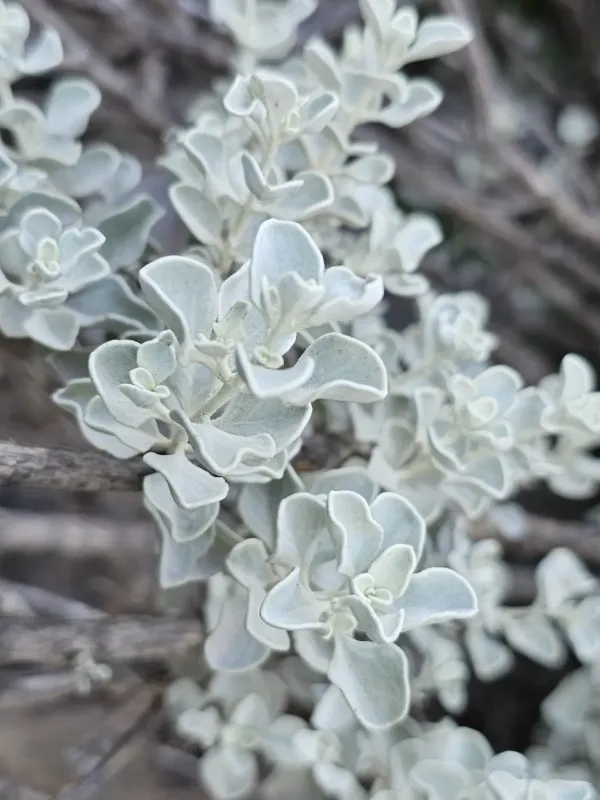
Leucophyllum zygophyllum is a distinctive shrub belonging to the Scrophulariaceae family, native to the arid regions of northeastern Mexico. It is renowned for its silvery foliage and resilience in high-temperature environments, making it a staple for xeriscaping.
The plant thrives in rocky, well-drained soils that mimic its natural habitat. Proper drainage is the most critical agricultural requirement; saturated soil will cause rapid root decay, which is the primary cause of plant loss in non-native climates.
Full sun exposure is mandatory for this species. Without direct sunlight, the plant loses its dense structure and becomes leggy, significantly reducing its ornamental value and potential for prolific blooming throughout the warm season.
Climatically, it is a heat-loving plant that can withstand intense solar radiation. It is generally hardy down to moderate frost levels, but protection is necessary in regions where winter temperatures drop below -10°C for extended periods.
Its primary agricultural use is in ornamental landscaping, specifically for drought-resistant urban planning and private gardens. It serves as an excellent hedge plant that requires minimal pruning and practically no fertilization when planted in appropriate soil.
Main diseases and pests
Leucophyllum zygophyllum possesses a high natural resistance to many common insect pests, contributing to its low-maintenance reputation. The most significant threat to its health is the presence of fungal pathogens caused by excessive soil moisture.
Root rot, caused by Phytophthora or Pythium species, remains the most frequent challenge for growers in humid climates. This can be mitigated by incorporating coarse sand or grit into the planting site to ensure rapid water dissipation.
While the plant is rarely infested by insects, occasionally aphid colonies may develop on new, succulent growth. These are typically managed by natural predators, and chemical intervention is rarely required in a balanced garden environment.
Poor air circulation around the canopy can occasionally facilitate the growth of mildews during unusually damp seasons. Maintaining sufficient spacing between individual shrubs is an effective strategy to keep the foliage dry and healthy.
Monitoring the moisture level around the root crown is essential for disease prevention. By adhering to strict watering schedules and ensuring deep percolation, growers can keep this resilient shrub healthy for many years without significant risk of loss.