
Leucophyllum laevigatum
Leucophyllum laevigatum Standl.
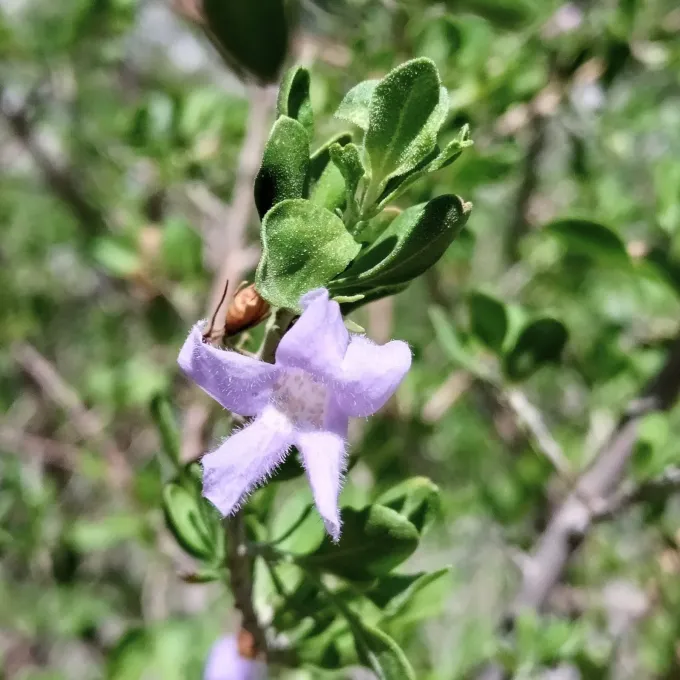
Description
Growing requirements
Leucophyllum laevigatum is an evergreen shrub belonging to the Scrophulariaceae family. Native to the arid regions of northern Mexico and adjacent areas, it is specifically adapted to survive in extreme desert-like conditions with minimal water availability.
The plant thrives in full sun exposure, requiring direct sunlight to maintain its compact growth habit and promote consistent blooming. It is an excellent choice for xeriscaping, especially in areas where water conservation is a top priority for gardeners and landscape professionals.
Soil requirements are relatively simple: the plant demands excellent drainage. While it can tolerate a variety of soil textures, ranging from gravelly to sandy types, it will suffer significantly if planted in heavy clay soils that retain moisture for too long, leading to root rot.
Climate adaptation is the strong suit of this species. It is highly heat-tolerant but possesses moderate cold hardiness. In regions prone to deep freezes, protective measures or indoor cultivation during winter months may be necessary to ensure the survival of the shrub.
Agronomic management of this crop is low-maintenance. Once established, the shrub requires very little supplemental irrigation. Fertilization is generally not necessary, as the plant is well-adapted to nutrient-poor soils found in its native environment.
Main diseases and pests
Leucophyllum laevigatum is renowned for its natural resistance to most common plant diseases and pests. Its tough, adapted foliage acts as a natural barrier against many environmental threats that typically affect ornamental plants.
The primary concern for growers is overwatering. Excessive soil moisture triggers fungal pathogens that attack the root system, which is the most frequent cause of plant decline or mortality in non-native climates.
Poor air circulation, combined with high humidity levels, can sometimes lead to localized fungal issues. Maintaining proper spacing between plants is essential to ensure adequate airflow and prevent the development of leaf spots or powdery mildew.
Insects are rarely an issue, though occasionally minor infestations of aphids or spider mites can occur during periods of extreme plant stress. Regular monitoring is sufficient to manage these populations without the need for heavy chemical intervention.
Sanitation practices, such as removing dead or damaged branches during the dormant season, help maintain plant vigor. These simple actions keep the shrub healthy and prevent the buildup of pathogens within the dense canopy of the plant.