
Leucophyllum langmaniae
Leucophyllum langmaniae Flyr
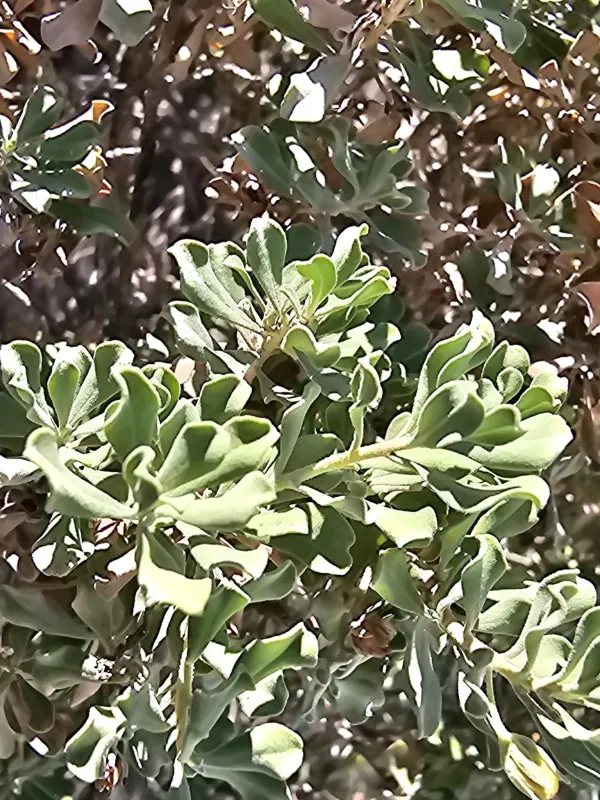
Description
Sowing dates
Propagation of Leucophyllum langmaniae is typically achieved through seeds or semi-hardwood cuttings. Seeds require a well-draining, sandy medium and consistent warmth to germinate effectively in early spring.
For cuttings, select healthy shoots during the summer months after the primary blooming period. Treating the base with rooting hormone and placing them in a perlite-rich substrate encourages faster root establishment.
Young plants should be cultivated in containers until they develop a robust root system. This practice ensures better survival rates when transitioning the plants to their permanent outdoor location.
Selecting a site with full sun exposure is mandatory for healthy growth. Without adequate direct sunlight, the plant will become leggy, lose its density, and produce significantly fewer flowers.
Proper spacing is crucial for preventing fungal issues. Allow at least 1.5 to 2 meters between plants to ensure sufficient airflow, which helps maintain the shrub's health and aesthetic shape.
Growing requirements
Belonging to the Scrophulariaceae family, Leucophyllum langmaniae is native to the arid regions of Mexico. This plant is a true xerophyte, evolved to thrive in high-heat and low-water environments.
The plant strictly requires highly permeable, rocky, or gravelly soils. It cannot tolerate waterlogged conditions, which will quickly lead to root rot; thus, excellent drainage is the absolute priority.
It is remarkably drought-tolerant once established. It rarely requires irrigation, making it an excellent choice for low-maintenance landscaping and sustainable xeriscaping projects in warm regions.
In colder climates, this shrub must be treated as a container plant. Winter care involves moving it to a cool, dry, and protected environment, as it cannot withstand prolonged freezing temperatures.
Minimal fertilization is required as this species is adapted to nutrient-poor soils. Excessive nitrogen can cause rapid vegetative growth at the expense of the iconic silvery foliage and beautiful blossoms.
Main diseases and pests
Root rot caused by excess moisture is the primary threat to the health of the plant. Maintaining a strict watering schedule that allows the soil to dry out completely is the best preventative measure.
Pests are generally uncommon, although scale insects can occasionally infest the shrub. Regular monitoring of the foliage and stems allows for early detection and manual control if necessary.
High humidity levels, especially in poorly ventilated areas, can trigger powdery mildew. Improving air circulation around the canopy is essential to mitigate this risk.
Leucophyllum langmaniae is highly resilient to most common plant diseases. Most health issues can be traced back to over-watering or unsuitable soil conditions rather than environmental pathogens.
When applying pesticides, it is important to test the product on a small portion of the plant first to ensure no leaf damage occurs. Integrated pest management remains the most effective strategy.