
Leucadendron
Leucadendron uliginosum x discolor
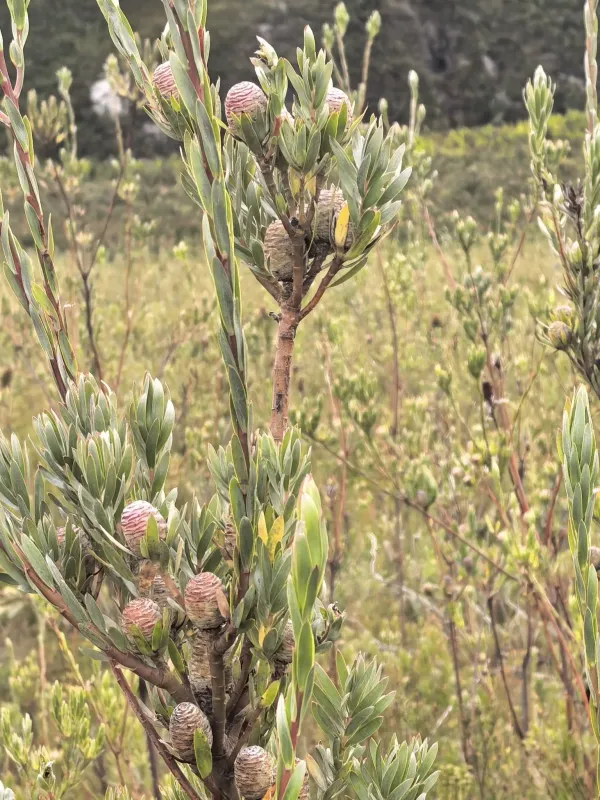
Description
Sowing dates
Propagation of Leucadendron in commercial operations is typically achieved through seeds or stem cuttings. Seeds are usually sown in late summer or early autumn when ambient temperatures moderate.
Successful germination requires mimicking natural habitat conditions, specifically diurnal temperature fluctuations. The optimal substrate is a sterile, well-draining mixture of sand and peat with a low pH.
Cuttings are taken in late summer, utilizing semi-hardwood shoots from the current season. High humidity and stable bottom heat are critical to stimulate root initiation and prevent desiccation.
Pricking out seedlings must be performed with great care to avoid damaging the delicate proteoid root system. Transplantation into field soil or larger containers should only occur after a robust root ball has established.
Growers must recognize that this plant belongs to the Proteaceae family, requiring specific symbiotic relationships with soil microorganisms. Utilizing mycorrhizal inoculants during the rooting stage significantly improves transplant success.
Growing requirements
Leucadendron is an evergreen shrub native to South Africa, thriving in Mediterranean-type climates. The plant requires high light intensity, ideally receiving full sunlight throughout the day for optimal growth.
Soils must be extremely nutrient-poor, acidic, and provide exceptional drainage. The presence of lime or high phosphorus levels in fertilizers is strictly prohibited, as they are toxic to the sensitive root system.
The crop possesses moderate frost tolerance and can withstand brief dips to -3-5 degrees Celsius. In regions with harsher winters, cultivation is restricted to protected environments such as greenhouses.
Irrigation should be moderate but consistent; waterlogging must be strictly avoided as it triggers lethal root rot. Good ventilation is essential during summer months to prevent root overheating.
Fertilization requires extreme precision. Growers use specialized fertilizers formulated for Proteaceae with minimal phosphorus content, as the plants' specialized roots can uptake excessive phosphorus, leading to chemical toxicity.
Main diseases and pests
The primary biological threat to Leucadendron is pathogenic fungi from the Phytophthora genus. These organisms attack the root system in conditions of excess moisture and poor soil aeration.
Pests such as mealybugs and scale insects may infest foliage and young shoots, debilitating the plant. Regular phytosanitary monitoring is the cornerstone of effective plantation management.
Aphids frequently attack delicate terminal buds, causing deformation of the inflorescences and reducing market value. Application of systemic insecticides must be strictly measured to avoid phytotoxicity.
Non-infectious disorders, particularly chlorosis, are common due to high soil pH levels. Monitoring and adjusting the acidity of the growing medium is the primary method of mitigation.
To prevent the spread of diseases, strict quarantine measures must be observed for all new plant material, and greenhouses must maintain high standards of airflow and hygiene.
Harvesting
The economic value of Leucadendron lies in the production of high-quality cut flowers for the floral industry. The inflorescences are highly decorative and known for their long vase life.
Harvesting is conducted during dry weather using sharp, sterilized tools. It is vital to leave sufficient foliage on the shrub to support ongoing photosynthesis and future vegetative growth.
Post-harvest, flowers should be rapidly cooled to remove field heat. This significantly enhances transportability and preserves the aesthetic quality of the blooms during cold chain storage.
Stems must be stripped of lower leaves that would be submerged in water to prevent bacterial buildup and decay. Grading by length and bract maturity is a critical stage in the supply chain.
Leucadendron maintains its structural integrity when dried, making it a highly valued component in the dried flower market. Drying is best achieved by hanging stems in a dark, well-ventilated space.