
Leucadendron
Leucadendron discolor x Leucadendron laureolum
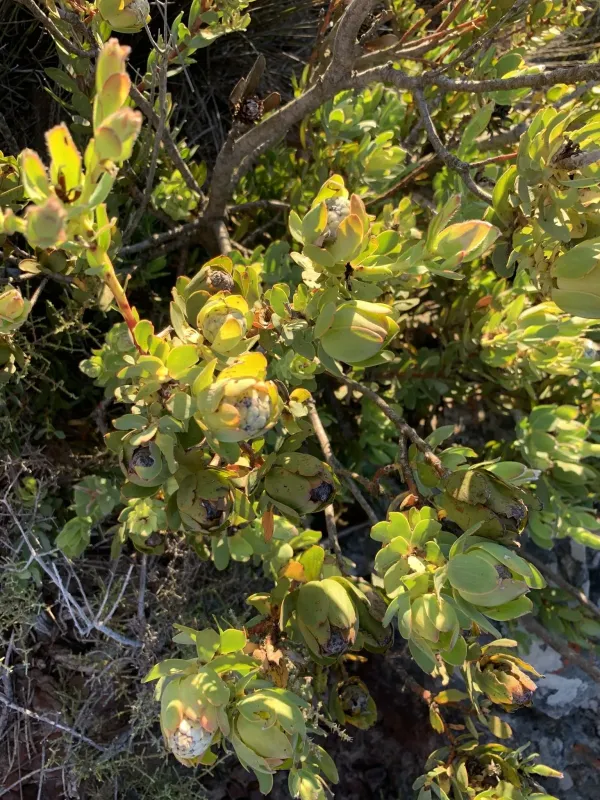
Description
Growing requirements
Leucadendron discolor x Leucadendron laureolum is a striking interspecific hybrid belonging to the Proteaceae family. This evergreen shrub is highly valued for its aesthetic appeal and is a staple in the international cut-flower industry due to its robustness.
The plant thrives in Mediterranean-type climates, requiring significant sunlight to develop its vibrant bract colors. The ideal growth temperature ranges from 15°C to 25°C, though the plant shows resilience to light frosts down to -5°C provided the substrate remains dry.
The primary soil requirement is excellent drainage combined with a low pH (ideally 5.0–6.0). These plants are phosphorus-sensitive; therefore, it is critical to avoid standard fertilizers and use specialized formulations designed specifically for Proteaceae species.
Watering should be balanced, allowing the substrate to dry out between sessions to avoid root suffocation. In regions with high rainfall, cultivation is safest in containers, using an open, sandy, and peat-based medium that mimics natural drainage patterns.
The commercial utility of this hybrid is centered on its use as a high-quality cut flower. Its bracts, which transition in color as they mature, remain attractive for an extended period, making it a preferred choice for floral arrangements and bouquets.
Main diseases and pests
The most significant threat to the culture is root rot, particularly caused by Phytophthora species. This often occurs when soil becomes waterlogged, leading to rapid decline and plant mortality if the drainage system is inadequate.
Pests such as mealybugs and spider mites frequently affect the crop, especially in greenhouse conditions with poor ventilation. These pests must be managed through consistent monitoring and the application of mild, targeted insecticidal treatments.
Leaf chlorosis is another common physiological disorder, usually indicating an imbalance in soil pH or salt accumulation from irrigation water. Ensuring high water quality and monitoring substrate salinity are essential for long-term health.
Root system health is the foundation of a successful crop. Prevention measures include using sanitized tools, maintaining optimal plant spacing for air circulation, and performing regular health checks to identify and remove infected individuals early.
Effective management requires an integrated approach that prioritizes preventative care and specific environmental controls to inhibit the proliferation of fungal pathogens within the root zone.
Harvesting
Harvesting is performed when the bracts have fully developed their characteristic color. Stems are cut carefully, leaving a portion of the vegetative growth below the cut to ensure the plant continues to produce shoots in subsequent seasons.
Immediate post-harvest cooling is required to lower the field heat and ensure the longevity of the flowers. Proper temperature management during the handling phase significantly increases the market value of the stems.
Grading is based on stem length and the uniformity of the bracts, aligning with international export standards. Cleanliness throughout the packing process is vital to maintain the hygiene of the cut floral product.
The stems are shipped in specialized packaging to prevent bruising of the delicate bracts. Once in a vase, Leucadendron stems are known for their exceptional durability, often lasting several weeks if cared for correctly.
The harvest timing is dictated by climatic conditions and the specific physiological stage of the bract development, typically peaking during the spring months in temperate cultivation regions.