
Hybrids of Leucadendron salignum and Leucadendron discolor
hybrids between Leucadendron salignum and Leucadendron discolor
Description
Sowing dates
Propagation of these hybrids is strictly vegetative, as seeds do not reliably produce plants identical to the parent stock. The most effective method is using semi-hardwood cuttings taken during late summer or early autumn.
Cuttings should be treated with root-promoting hormones and planted in a well-draining medium. A low-phosphorus substrate is essential, as these plants are highly sensitive to soil nutrient imbalances.
Maintain high humidity and stable temperatures in the propagation area to encourage root development. Greenhouse conditions with automated misting systems are ideal for large-scale operations.
Transplanting seedlings to the field occurs once the root system is well-established. Proper spacing is crucial to ensure adequate airflow, which prevents the development of fungal infections.
Early maintenance includes shielding young plants from harsh afternoon sun until they acclimate. Consistent monitoring of soil moisture during the first few months is vital for long-term plant health.
Growing requirements
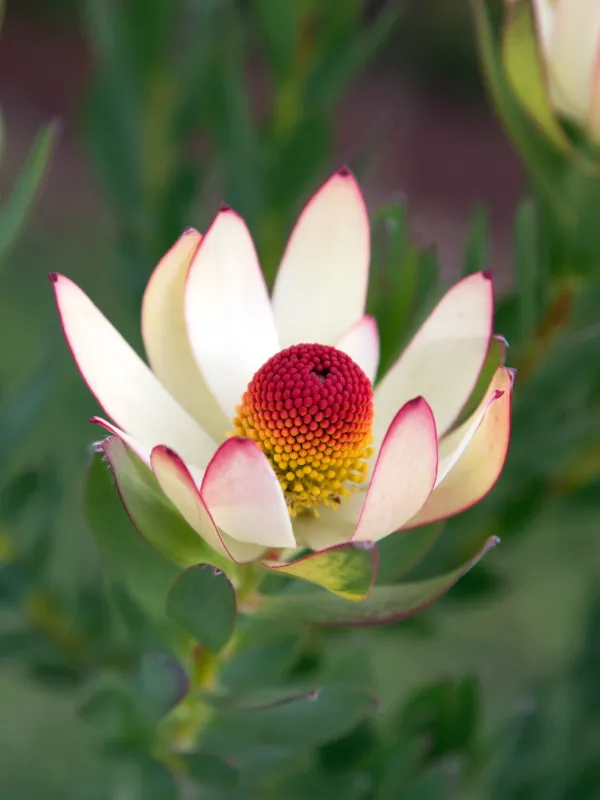
As a member of the Proteaceae family, this hybrid is a resilient evergreen shrub bred specifically for the cut flower industry. It possesses the hardiness of L. salignum and the vibrant floral display of L. discolor.
The plant thrives in sunny locations with well-draining, acidic soil. Stagnant water is the greatest threat to root health, often leading to rapid decline or total loss of the crop.
Environmental preferences involve warm, temperate conditions; these plants do not tolerate heavy frosts. In cooler climates, cultivation must be restricted to protective glasshouses or climate-controlled environments.
Fertilizer application requires precision. Due to the high sensitivity of Proteaceae to phosphorus, only specialized fertilizers formulated for this family should be utilized to prevent nutrient toxicity.
Pruning is a fundamental horticultural practice for this crop. Regular cutting back of the stems after the flowering season stimulates bushy growth and ensures the production of high-quality stems for the next harvest.
Yield
The primary economic value of this crop lies in its use as high-quality cut foliage and stems for the floral market. Mature shrubs provide a consistent annual yield when managed with professional techniques.
Yield efficiency is determined by solar radiation levels and plant age. Intensive cultivation systems in greenhouses can significantly maximize the volume of marketable stems produced per hectare.
Quality parameters for this crop focus on stem length, vibrant bract coloration, and vase life. These hybrids are highly valued globally due to their durability and aesthetic appeal in professional floral arrangements.
Harvesting is performed when the bracts have fully opened and attained their mature color. Using sterilized shears is a non-negotiable step to prevent the spread of pathogens between plants.
Immediate post-harvest care involves placing stems in clean water or refrigerated storage. Proper management of the cold chain extends the shelf life and quality of the product for export markets.
Main diseases and pests
Fungal pathogens, particularly root rots like Phytophthora, pose the most significant risk. These are primarily caused by poor drainage or overwatering, making moisture management the top priority for growers.
Common pests include mealybugs and scale insects, which feed on the foliage and weaken the plant. Regular scouting is required to detect and treat infestations before they affect marketable quality.
Management of pests involves a combination of biological controls and selective systemic insecticides. Always ensure that any treatment used is labeled as safe for use on the specific ornamental cultivar.
Nutrient imbalances can manifest as leaf chlorosis, reducing the aesthetic quality of the crop. Regular soil and leaf tissue testing are recommended to prevent such physiological issues.
- Phytophthora root rot
- Mealybugs
- Scale insects
- Powdery mildew
- Physiological chlorosis