
Leucadendron Laureolum x Salignum
hybrids between Leucadendron laureolum and Leucadendron salignum
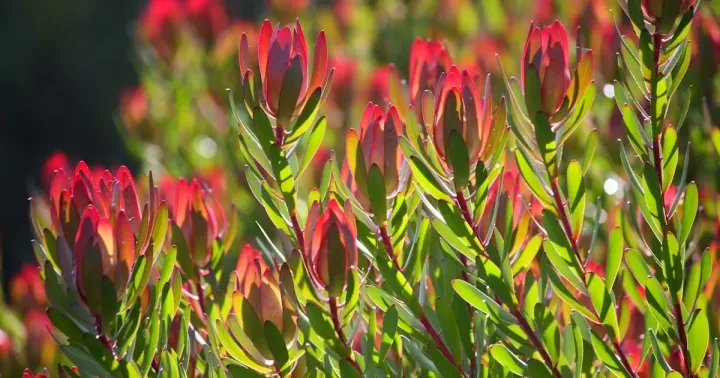
Description
Sowing dates
Commercial propagation of this hybrid is primarily achieved through semi-hardwood cuttings. The best period for taking cuttings is late summer or early autumn when the plant growth rate slows down, facilitating root formation in a controlled greenhouse environment.
Seed propagation is rarely utilized in commercial farming due to the long germination period and the genetic variability of the hybrid offspring. Vegetative propagation ensures that all progeny retain the desirable floral traits of the parent plants.
Planting in the field is ideally performed in spring, once the danger of severe frost has passed. The young plants need to establish a strong root system before the onset of extreme summer heat, requiring careful monitoring of irrigation during the first weeks.
Spacing is a crucial factor to ensure adequate air circulation. Dense planting can lead to increased humidity levels within the canopy, which significantly raises the risk of fungal infections in these sensitive Proteaceae species.
The chosen site must offer full solar exposure throughout the day. Insufficient sunlight directly impacts the color intensity and size of the bracts, which are the main marketable parts of the plant.
Growing requirements
Leucadendron Laureolum x Salignum belongs to the Proteaceae family and is native to South African scrublands. It thrives in well-draining, acidic soils that are notably low in phosphorus, as excess phosphorus is often toxic to these plants.
The ideal climate is Mediterranean-type, featuring mild, wet winters and dry, sunny summers. While the plant can tolerate light frost, extended periods of sub-zero temperatures can cause significant damage to the plant tissue.
Irrigation management is vital; the substrate must be kept moist but never waterlogged. Poor drainage or overwatering typically results in Phytophthora root rot, which is a major threat to the health of the entire plantation.
Fertilization requires specialized products designed for Proteaceae, ensuring zero or trace amounts of phosphorus. Over-fertilization can weaken the plant's natural resilience and interfere with the symbiotic relationships in the rhizosphere.
Regular pruning is essential for maintaining the shape and productivity of the shrub. By cutting back the stems during harvest or maintenance, growers encourage the production of vigorous new shoots, ensuring a steady supply of high-quality flowers.
Main diseases and pests
The most significant threat to Leucadendron cultivation is root rot, typically caused by water-mold pathogens like Phytophthora. These thrive in waterlogged soils and can devastate an entire crop within a single season.
Foliar fungal diseases, such as botrytis or powdery mildew, can occur if there is insufficient air movement around the plants. Proper spacing and removal of debris are the primary cultural controls for these issues.
Pests such as scale insects and mealybugs can infest the stems and leaves, weakening the plant and lowering the visual quality of the flowers. Regular scouting and integrated pest management are necessary to control populations.
Nutrient deficiencies, particularly iron chlorosis, can manifest in soils with improper pH levels. Maintaining the soil pH between 5.0 and 6.0 is essential to ensure that the plant can properly absorb available micronutrients.
Environmental stress, such as extreme winds or unseasonal heatwaves, can also cause branch breakage or flower wilting. Protecting the plantation with windbreaks is a standard practice in commercial production areas.
Harvesting
The primary agricultural use of this crop is for the cut flower industry. The hybrid is highly sought after for its durable bracts and long vase life, making it a premium choice for floral arrangements.
Harvesting is performed when the flower bracts are fully developed and exhibit their characteristic color. Sharp, sanitized shears are used to prevent the transmission of pathogens, and stems are cut at the desired length for specific market requirements.
Post-harvest care involves immediate placement in fresh water to maintain turgidity. Keeping the cut stems in a cool environment with good airflow helps preserve quality during transport and storage.
Grading is based on stem length, straightness, and the maturity of the floral head. Consistent quality control ensures that only premium stems reach the export markets, where they command higher prices.
Post-harvest management of the plantation involves cleaning up any remaining organic material and performing light pruning to promote new growth for the next season. With proper care, the shrubs remain productive for many years.