
Leucadendron
Leucadendron spissifolium x Leucadendron discolor
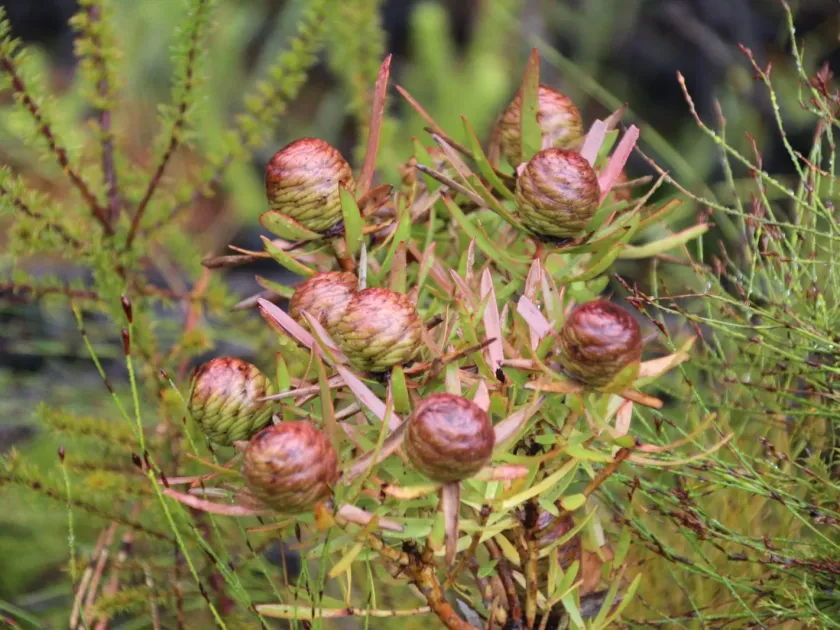
Description
Growing requirements
Leucadendron is an evergreen shrub belonging to the Proteaceae family. This specific hybrid (L. spissifolium x L. discolor) is highly valued in horticulture for its unique bracts and architectural form, making it a specialized crop for cut-flower production.
Originating from the fynbos biome in South Africa, this plant thrives in nutrient-poor, sandy, and acidic soils. Successful cultivation requires a substrate with excellent aeration and drainage properties to mimic its natural, challenging environment.
The crop requires full sun exposure to maintain color intensity and structural integrity. It is sensitive to environmental stressors such as high humidity and low temperatures, necessitating a climate-controlled environment in non-native latitudes.
Agronomic management involves maintaining low phosphorus levels in the growth medium. Leucadendrons are adapted to thrive in soils where phosphorus is limited, and excess fertilizer can be toxic, leading to severe root damage and plant death.
Regular monitoring of irrigation water quality is essential, as the plants are susceptible to salt accumulation in the substrate. Proper air circulation is also critical to minimize the impact of humidity and prevent the development of foliage-related pathogens.
Harvesting
The primary commercial use of Leucadendron is as a high-end cut flower in the international floral industry. The durability and unique color palette of its bracts make it a popular choice for long-lasting arrangements and bouquet designs.
Harvesting occurs when the bracts have fully developed their color and reached their characteristic texture. Skilled harvesting requires timing the cut precisely to ensure that the stems reach the market at the peak of their ornamental longevity.
Post-harvest handling involves careful grading of the stems based on length and bract maturity. Stems should be kept in a cool, well-ventilated environment to ensure they maintain their quality during storage and distribution to retailers.
Systematic pruning is an integral part of the production cycle, acting as both a harvesting technique and a maintenance practice. Strategic cuts encourage new vegetative growth and help shape the shrub for optimal yield in the following season.
When managed correctly, a healthy plantation can yield high-quality stems for several years. The economic success of this crop relies on matching the harvest cycle with seasonal demand and strictly following specialized post-harvest storage protocols.