
Leucadendron spissifolium
Leucadendron spissifolium
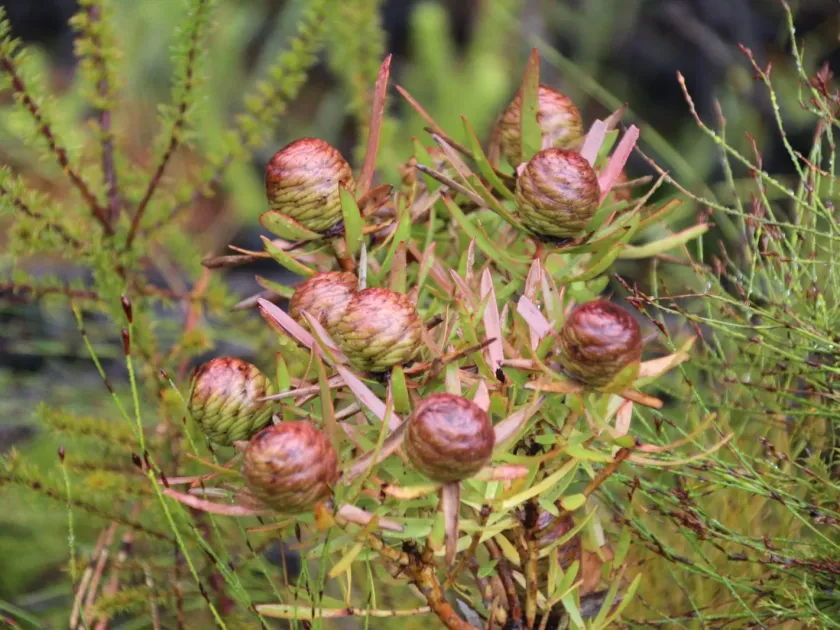
Description
Growing requirements
Leucadendron spissifolium, commonly known as the spear-leaf conebush, is a member of the Proteaceae family. Native to the fynbos regions of South Africa, it is a sturdy, evergreen shrub valued for its structural beauty.
This species requires well-draining, acidic, and nutrient-poor soils. It is highly sensitive to phosphorus, meaning that standard fertilizers should be strictly avoided as they can prove toxic to the root system.
Climatically, it thrives in Mediterranean conditions with high light exposure and constant airflow. It is not frost-tolerant and requires protected environments in colder climates to prevent freezing damage to its terminal buds.
Maintenance techniques focus on minimal disturbance of the soil surface, as the proteoid roots are delicate. Mulching is recommended to keep the roots cool and moist, mimicking the natural conditions of their habitat.
Commercially, it is extensively used in the cut flower industry. Its bracts are highly sought after by florists due to their unique shapes, vivid coloration, and exceptional vase life in floral arrangements.
Main diseases and pests
Root rot pathogens, specifically Phytophthora species, are the primary threat to the crop. These often arise from overwatering or poorly structured soil that prevents adequate oxygenation of the roots.
Insect pests such as scale insects and mealybugs may infest the foliage in glasshouse conditions. Maintaining low humidity and good ventilation is the most effective preventative strategy against these pests.
Harvesting
Harvesting is conducted when the bracts are fully developed and hardened. The stems are typically cut using sterilized tools, ensuring the remaining shrub is pruned in a way that promotes healthy new growth for the next season.